
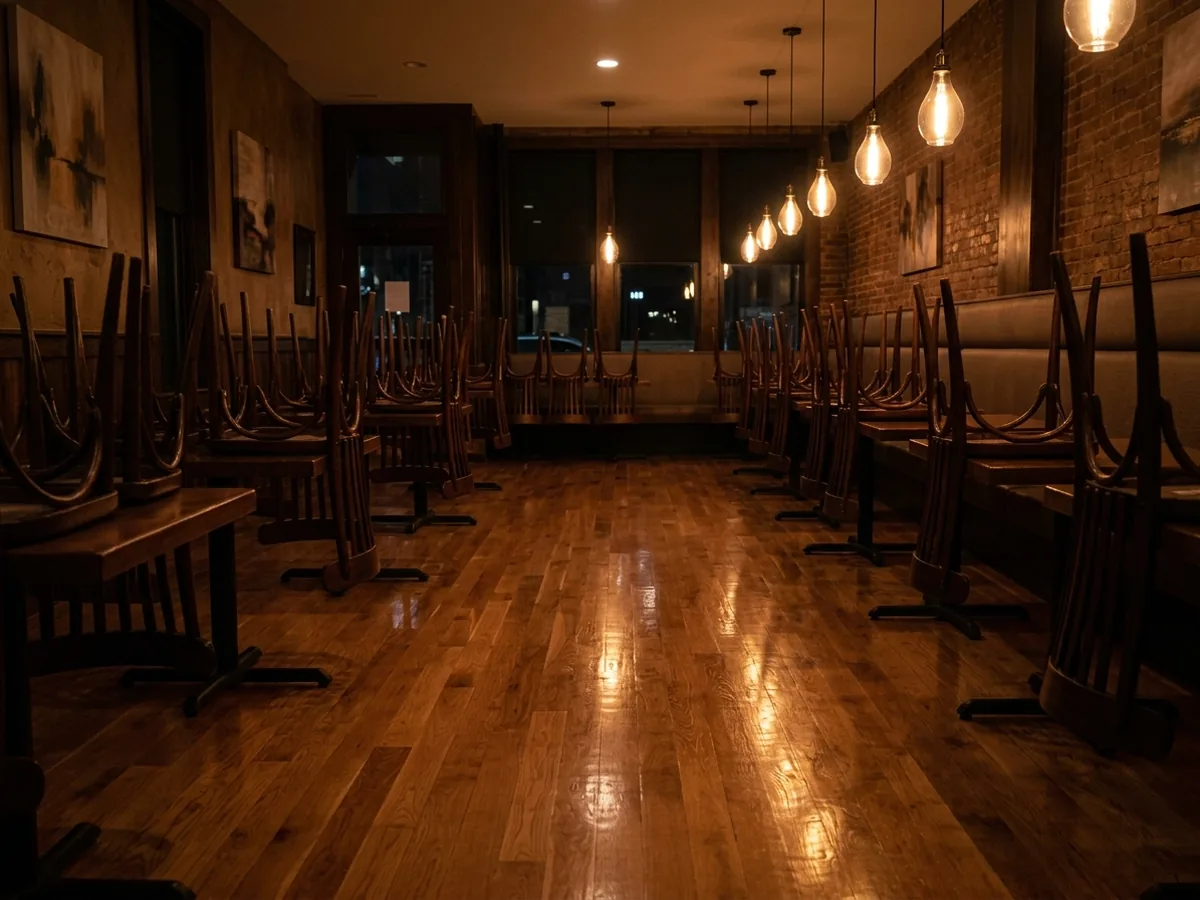
Hardwood Floor Installation, Refinishing and Repair in Ann Arbor
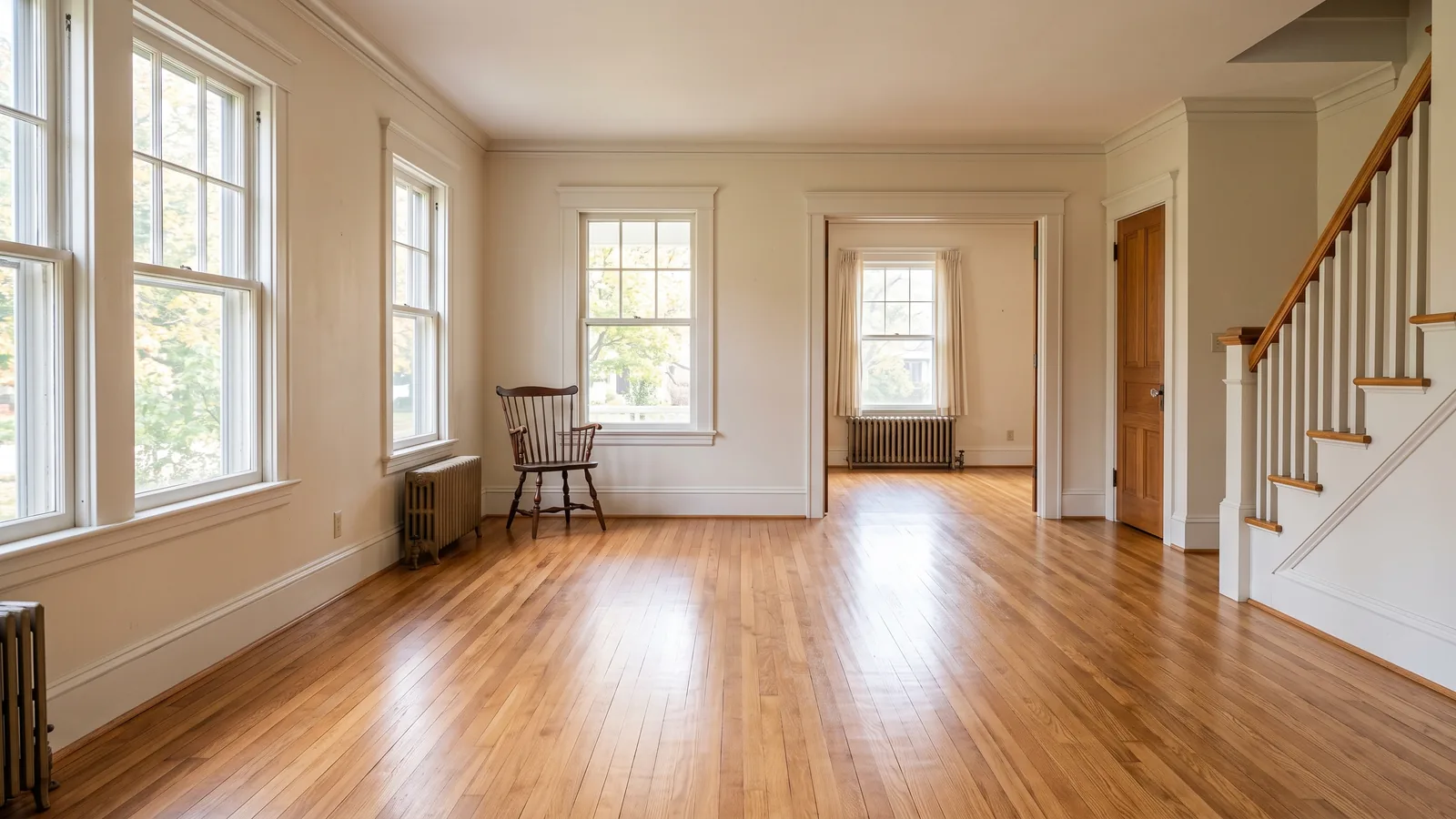
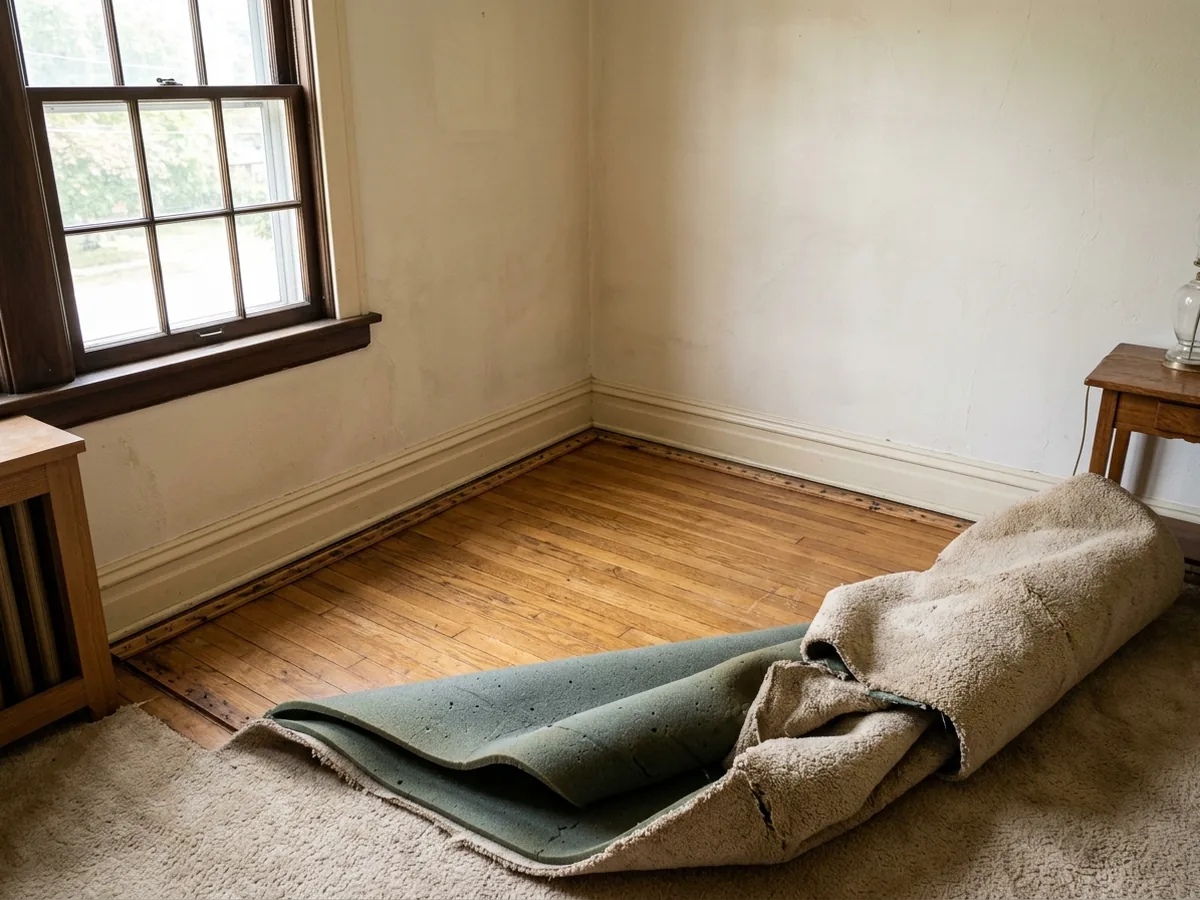
Ann Arbor's median house dates to 1971, and 75 percent of owner-occupied homes are older than 1980. Our guess for a house that age, before anyone looks: oak strip under the carpet, sanded once or twice by earlier owners. That's why the first question is usually how much wood is left, and the color comes later.
Solid Hardwood Floor Installation
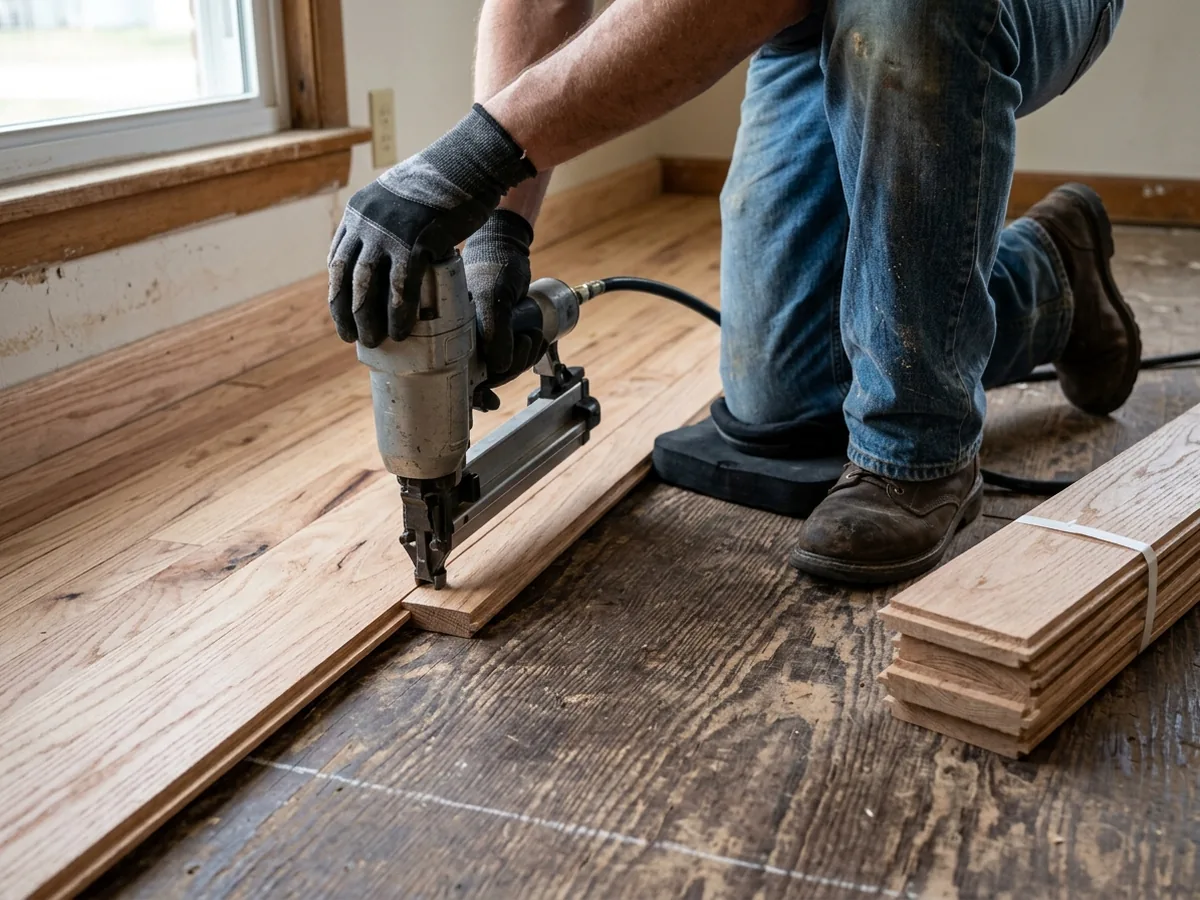
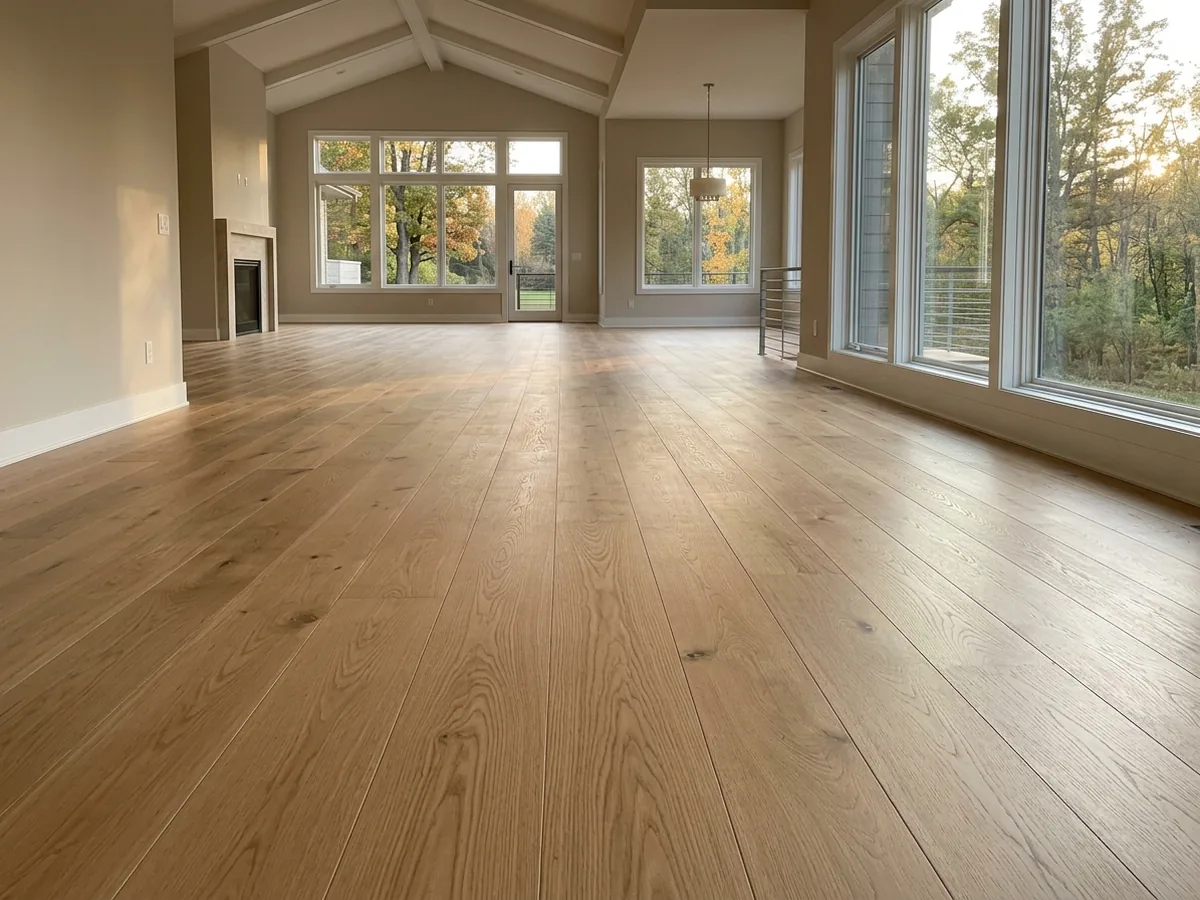
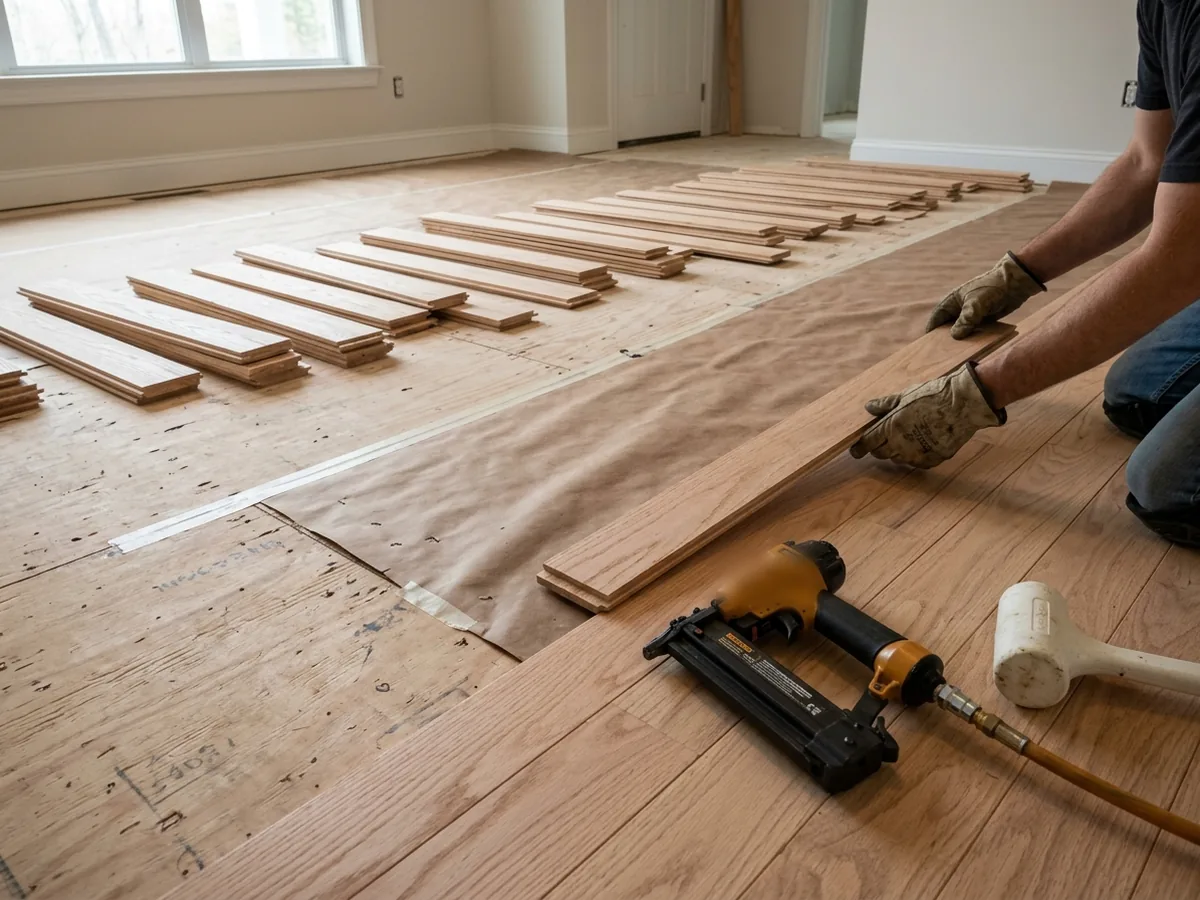
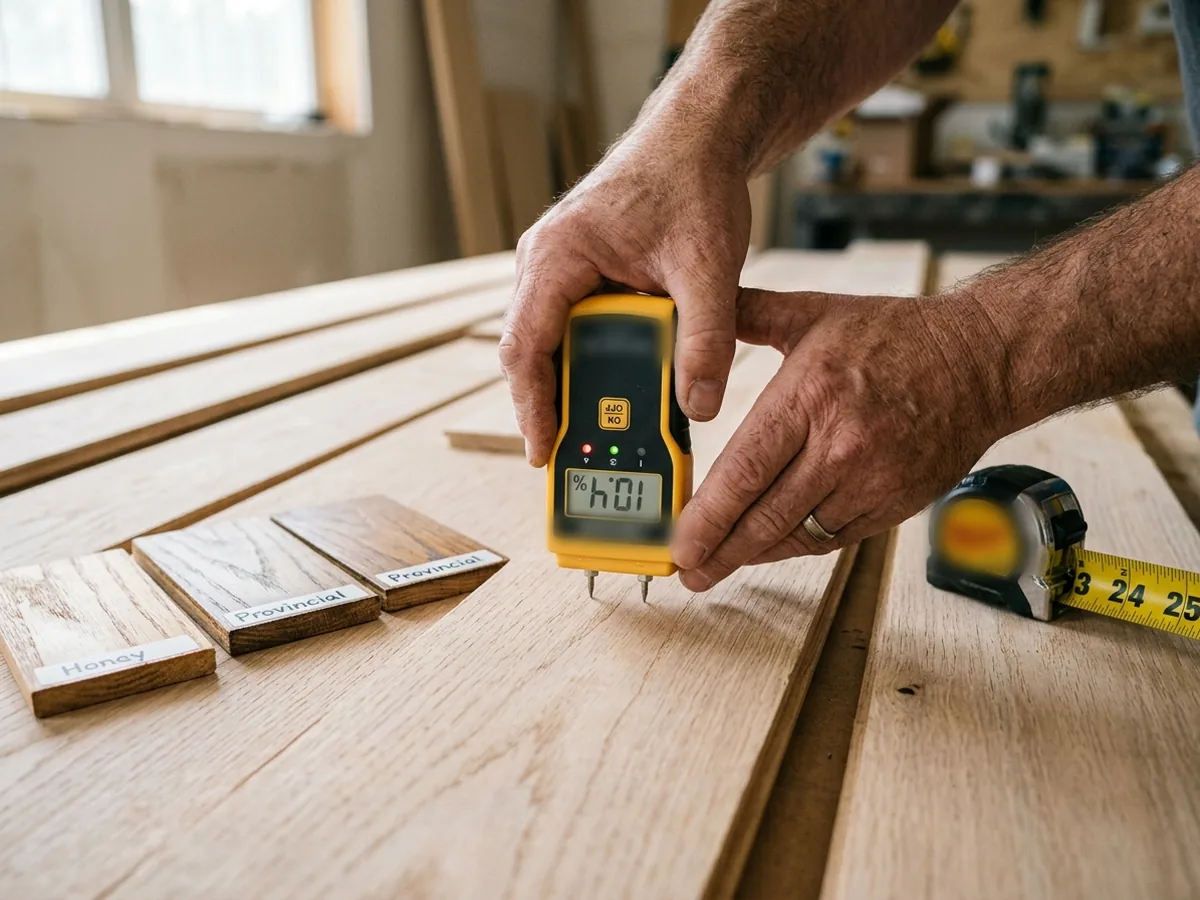
Solid hardwood is one piece of wood top to bottom, usually 3/4 inch thick, with tongue-and-groove edges blind-nailed through the tongue into a plywood or OSB subfloor. It goes on or above grade, never in a basement. Before any boards go down, a good installer checks moisture in both the flooring and the subfloor with a meter. The NWFA says the gap between them should be no more than 4 percent for strip under 3 inches wide and 2 percent for anything wider. Unfinished boards are sanded and finished in place, so the seams disappear. Prefinished boards arrive coated and go faster, with small bevels at the edges. Swapping carpet for hardwood counts too: carpet removal runs $0.70 to $1.60 a square foot nationally.
See Hardwood Floor Installation in Ann Arbor, MI and Replace Carpet with Hardwood in Ann Arbor, MI.
Engineered Hardwood Installation
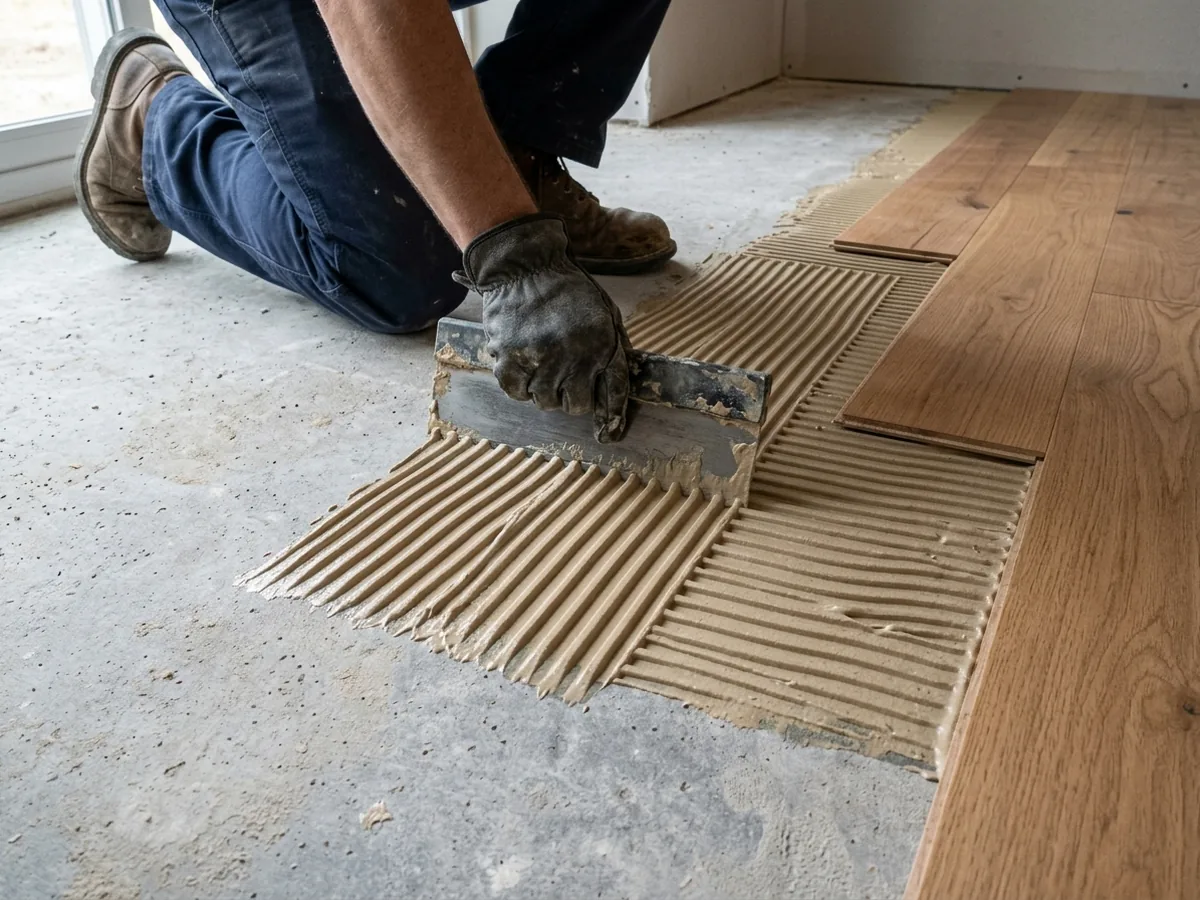
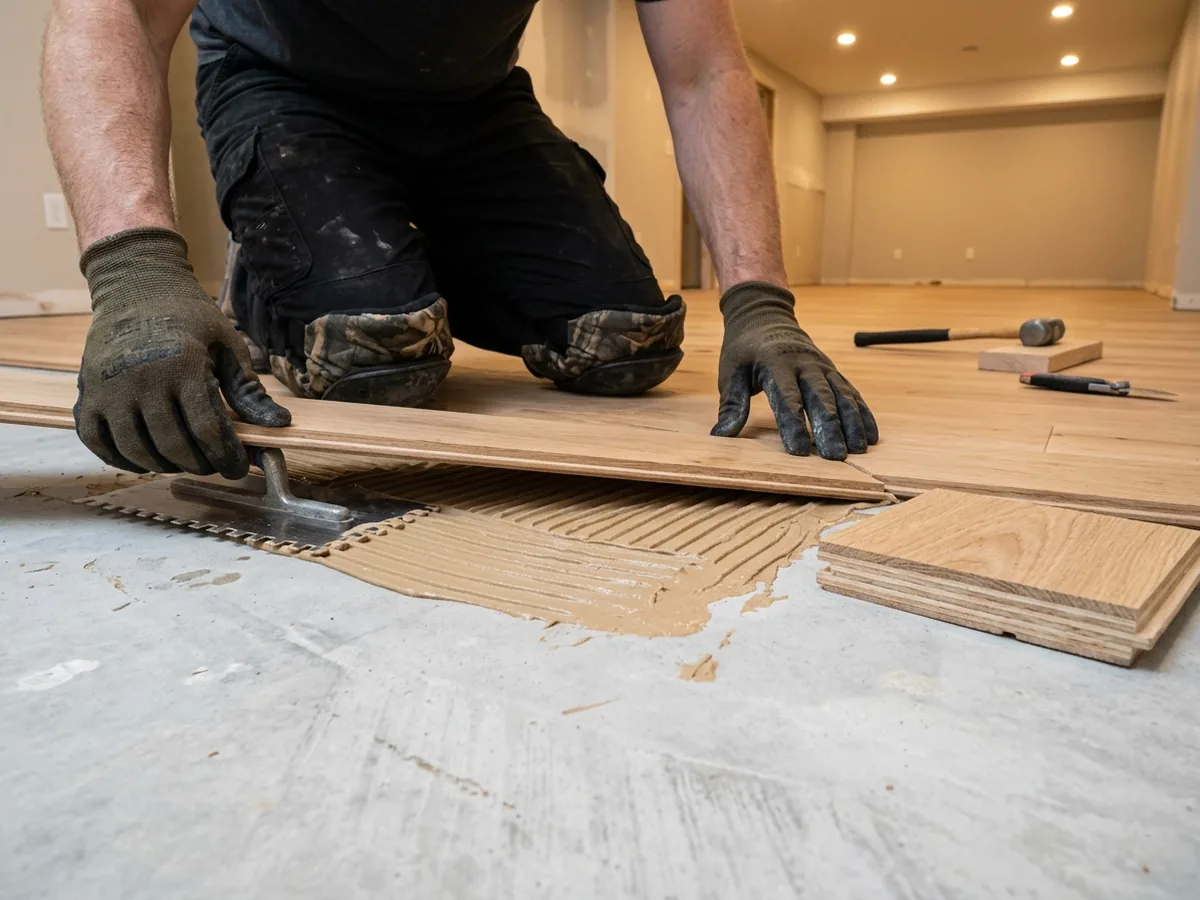
Engineered hardwood is a cross-layered plywood core with a real wood veneer on top. It moves less than solid wood when the humidity changes, so it's the usual choice over concrete slabs, in basements and over radiant heat. It can be glued to the slab, floated on underlayment or stapled to a wood subfloor. The thing to ask about is wear-layer thickness. For an engineered floor to count as refinishable, the NWFA's program sets a minimum of 3.2 mm for unfinished boards and 2.5 mm for factory-finished ones. A thin veneer may never take a single sanding.
Wide Plank and Reclaimed Wood Floors
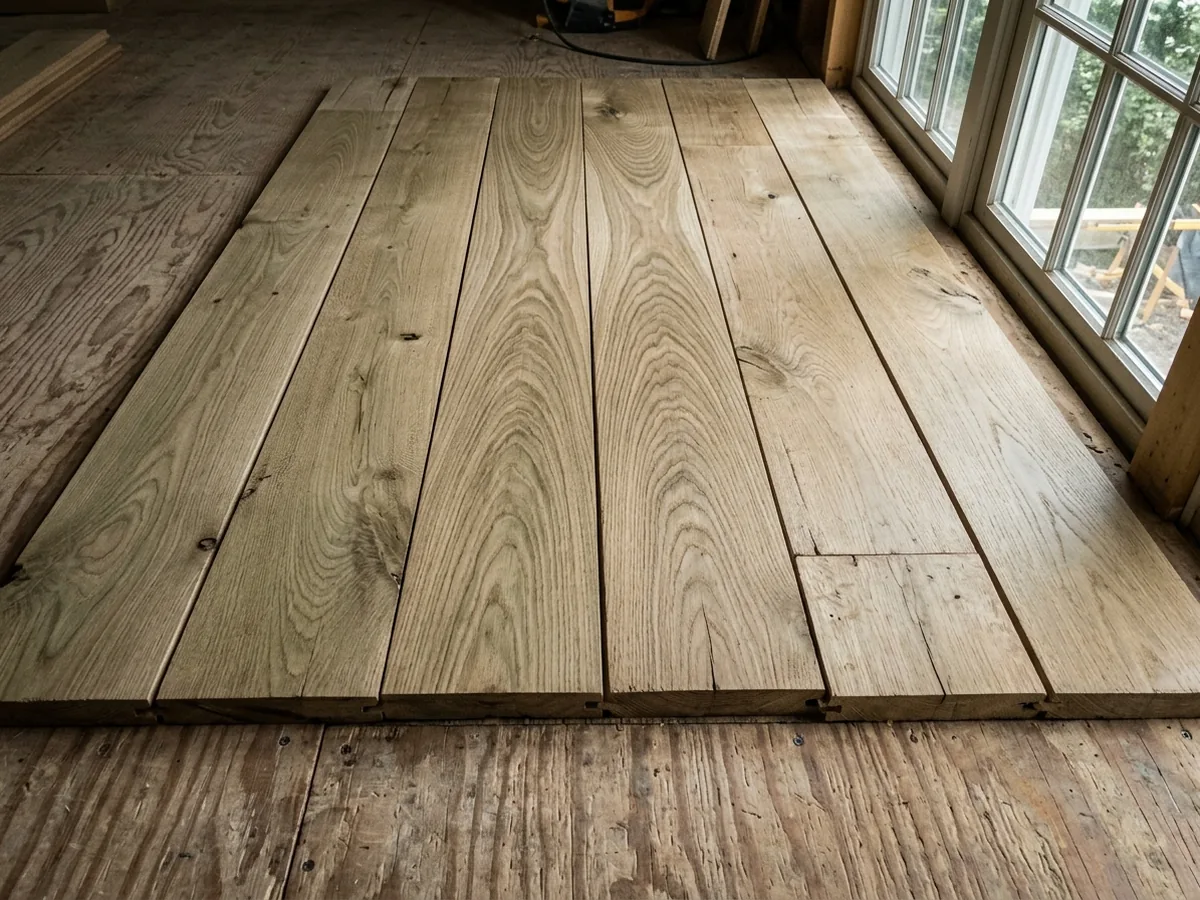
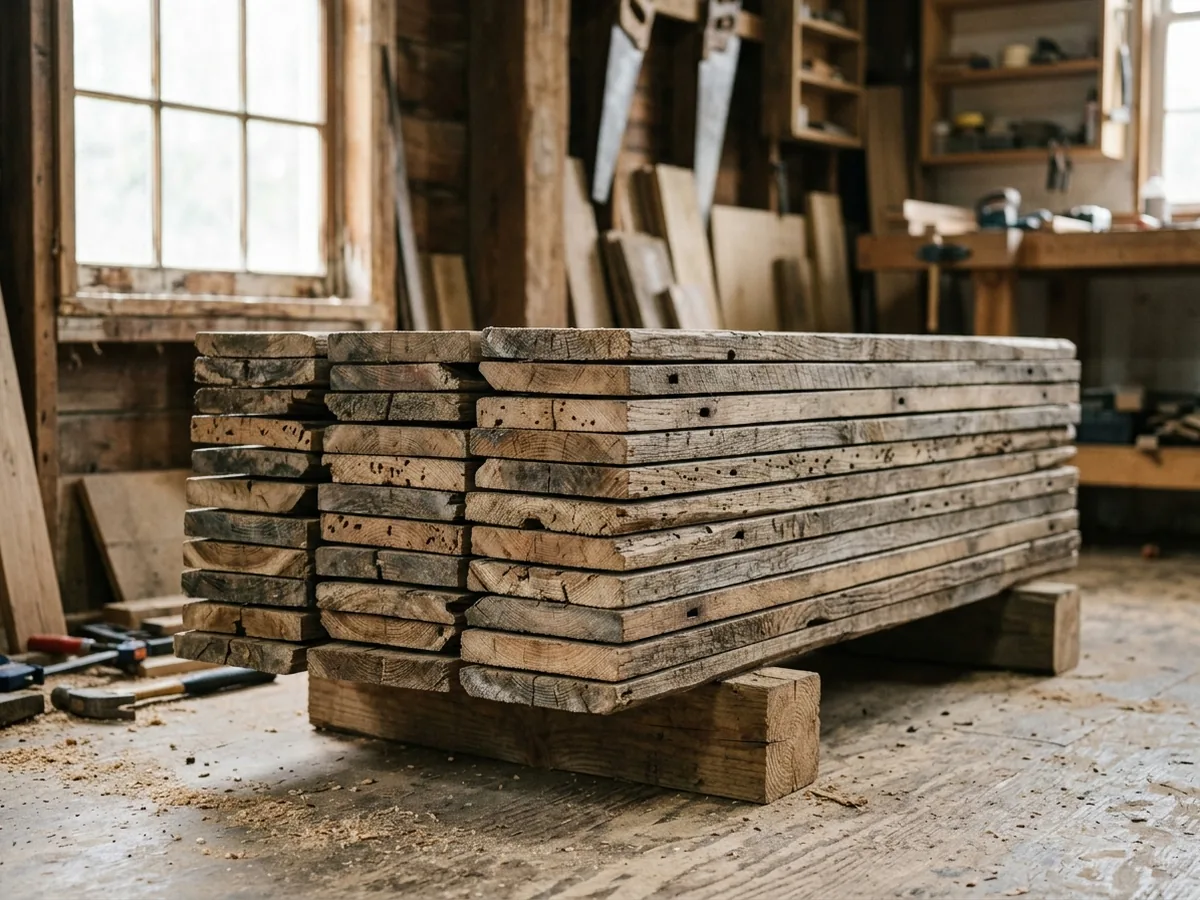
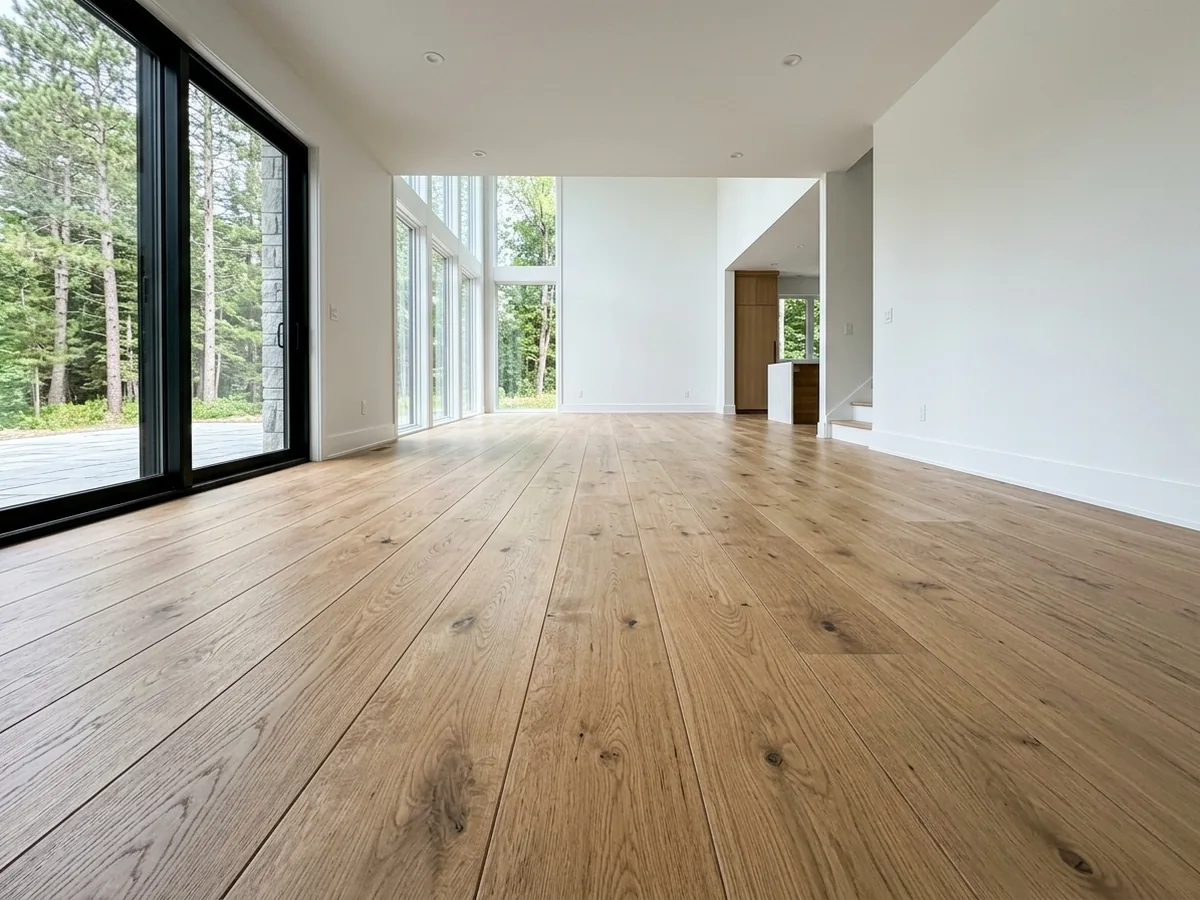
The NWFA calls anything 3 inches or wider a plank, and wide plank goes well past that. Each board swells and shrinks across its face, so a wide plank shows seasonal gaps and cupping more than narrow strip does. That's why the 2 percent moisture limit above applies to them. Installers often add a glue assist or face-nail the ends on very wide boards, and leave about 3/4 inch of expansion space at the walls. Reclaimed boards need to be kiln-dried, de-nailed and milled flat before they go down.
See Wide Plank Hardwood Flooring in Ann Arbor, MI and Reclaimed Wood Flooring in Ann Arbor, MI.
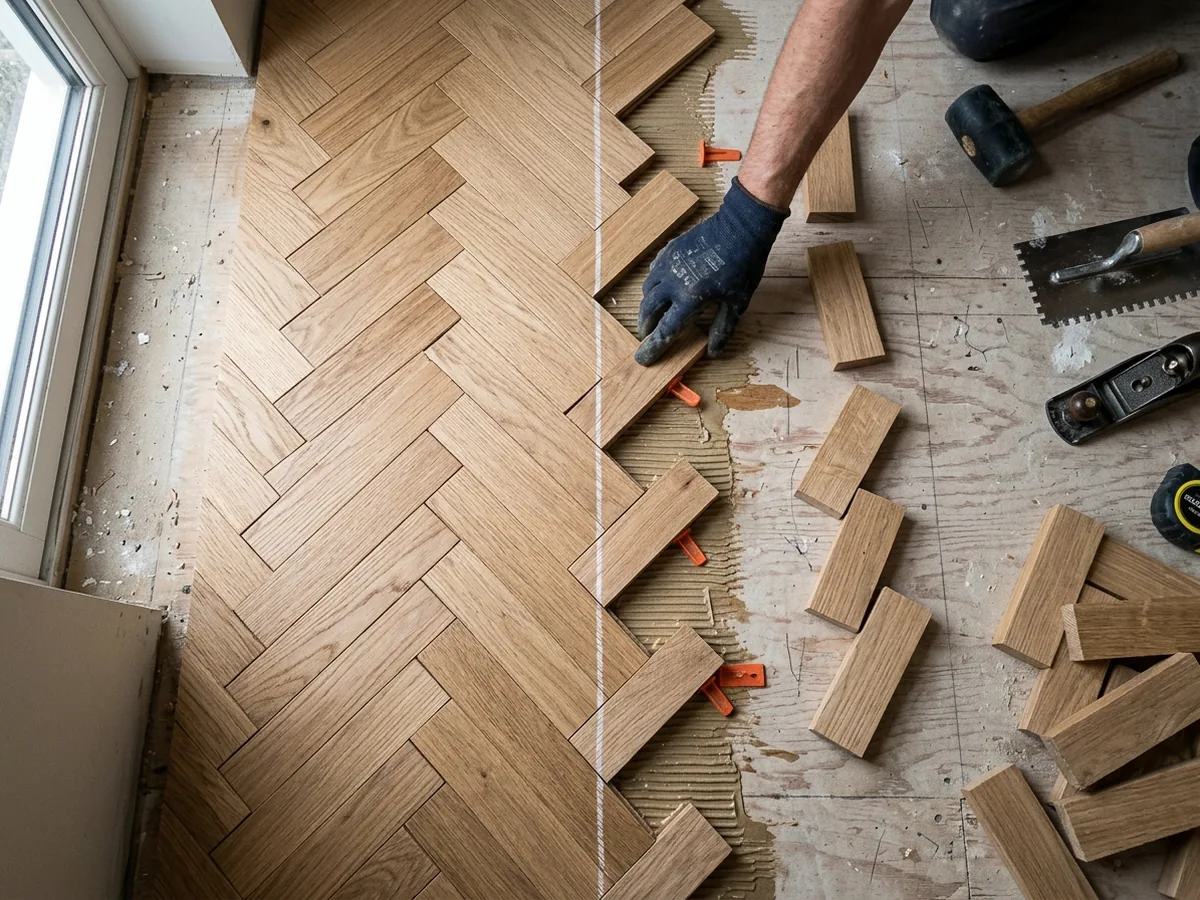
Herringbone, Chevron and Parquet Floors
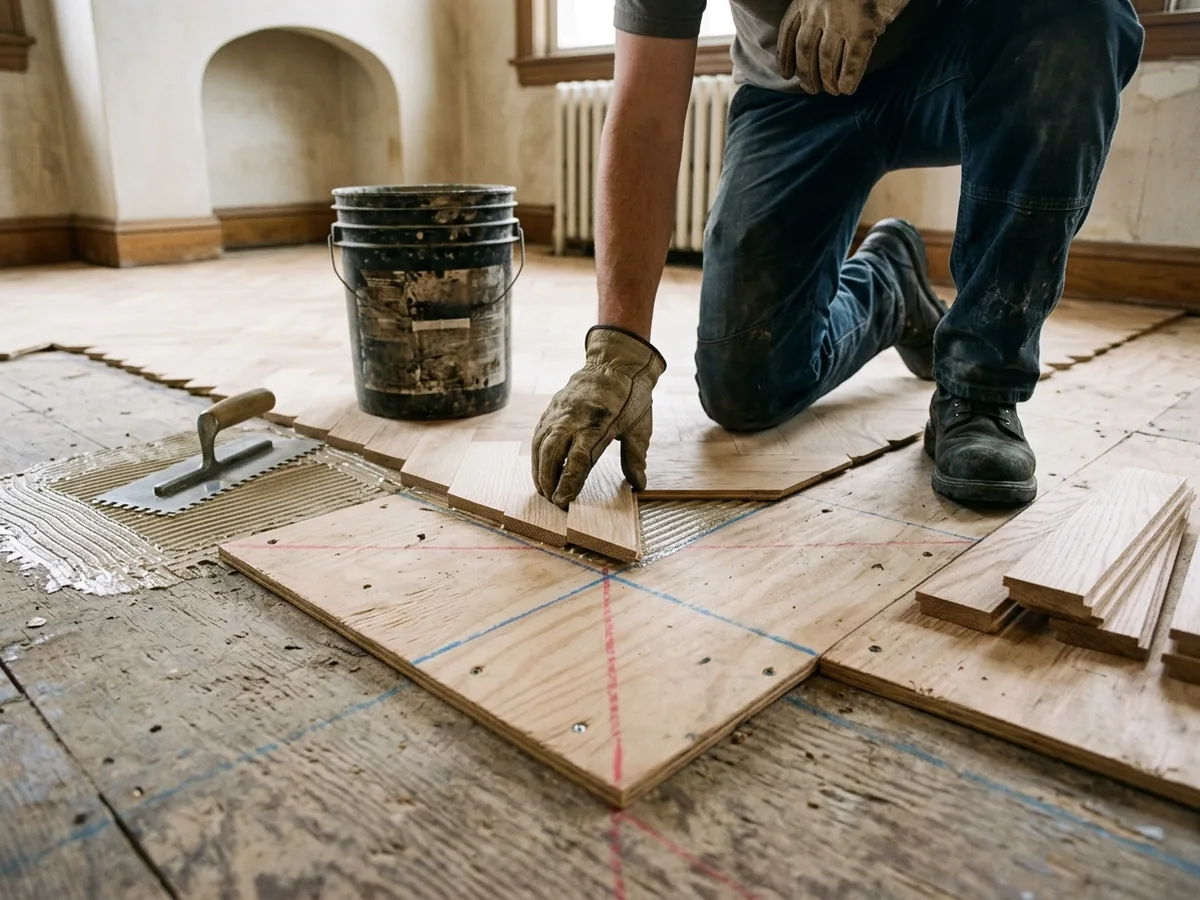
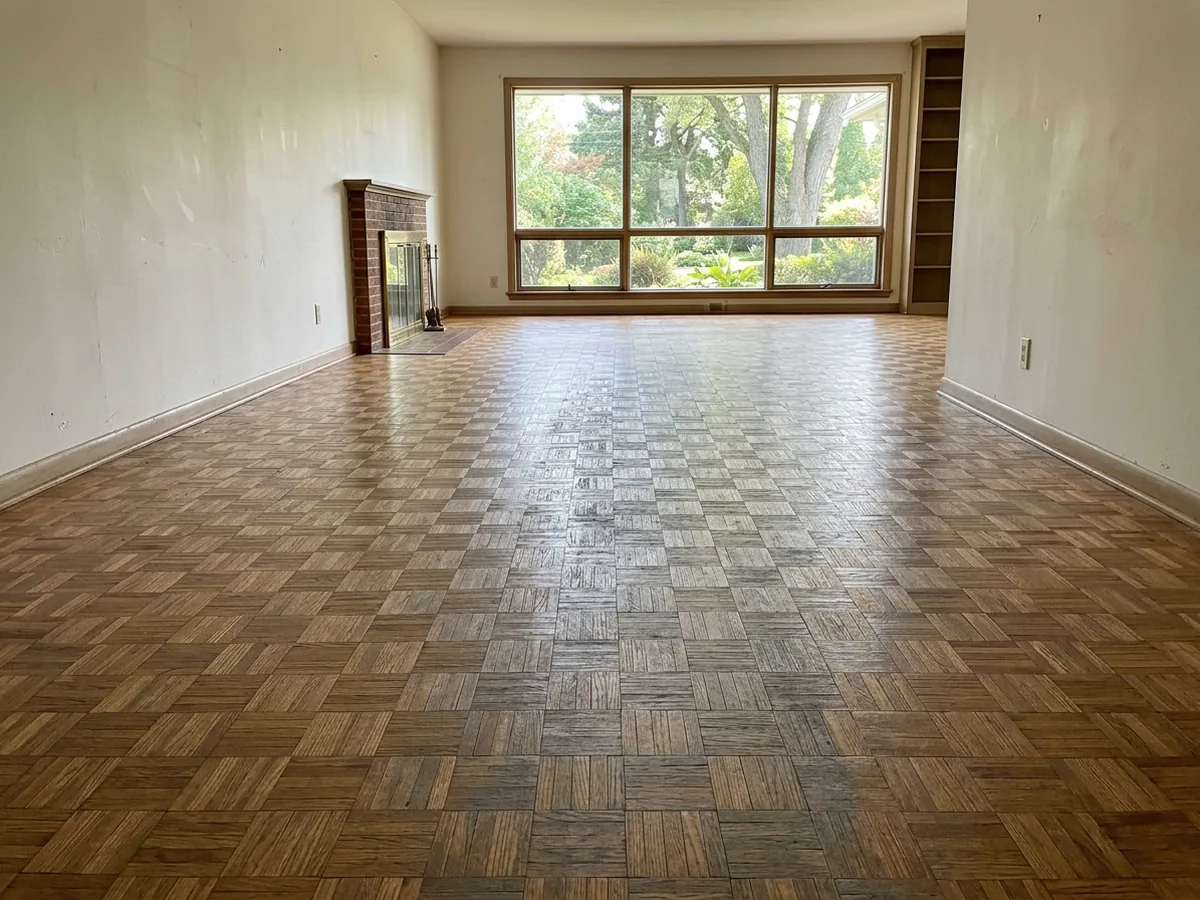
Herringbone uses rectangular blocks meeting at right angles. Chevron cuts the ends at an angle so the points line up in a single zigzag. Both start from a centerline snapped down the room, so the pattern looks straight from the doorway. Parquet covers block and geometric patterns more generally. All that cutting adds waste and labor: HomeGuide puts true parquet and herringbone at $13 to $40 a square foot installed. Older parquet tiles that have come loose can often be lifted, cleaned and glued back rather than replaced.
See Herringbone Floor Installation in Ann Arbor, MI and Parquet Flooring in Ann Arbor, MI.
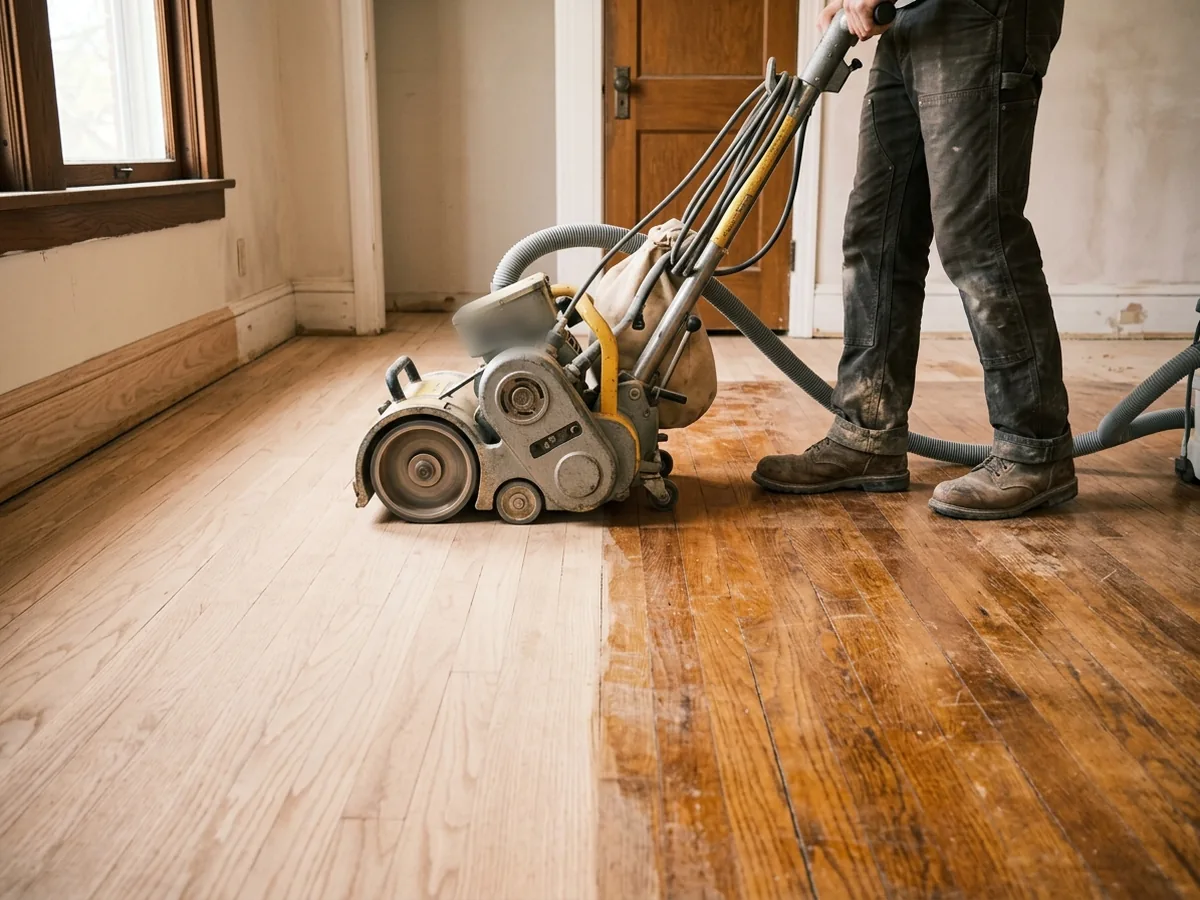
Hardwood Floor Sanding and Refinishing
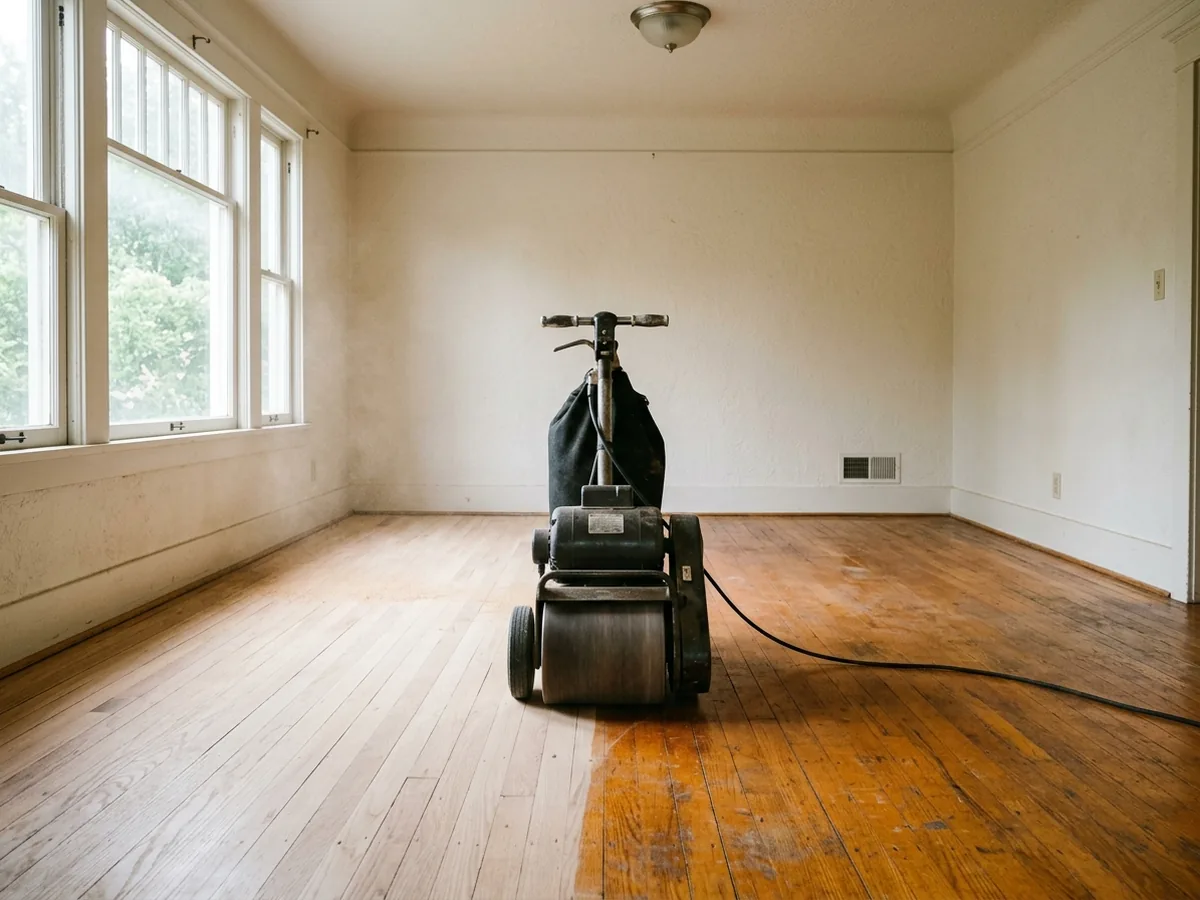
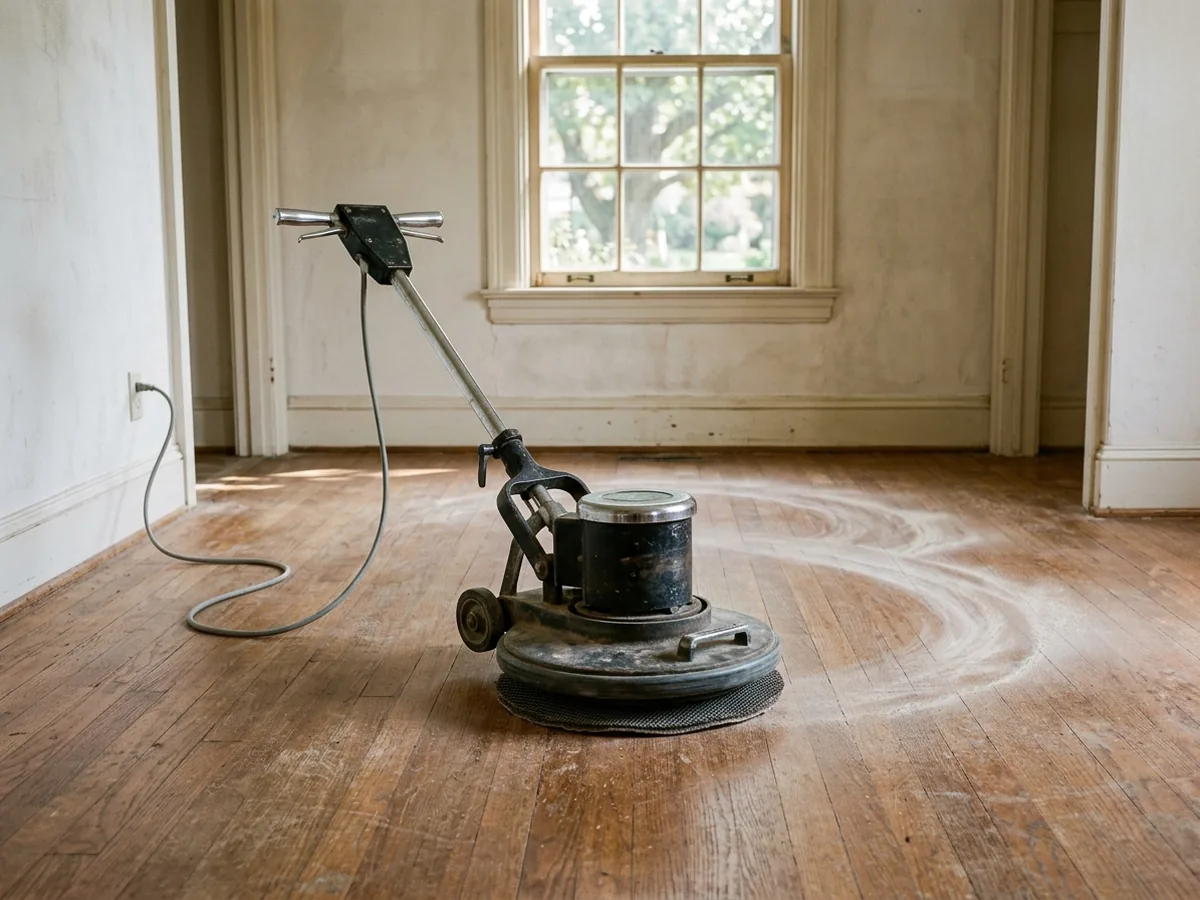
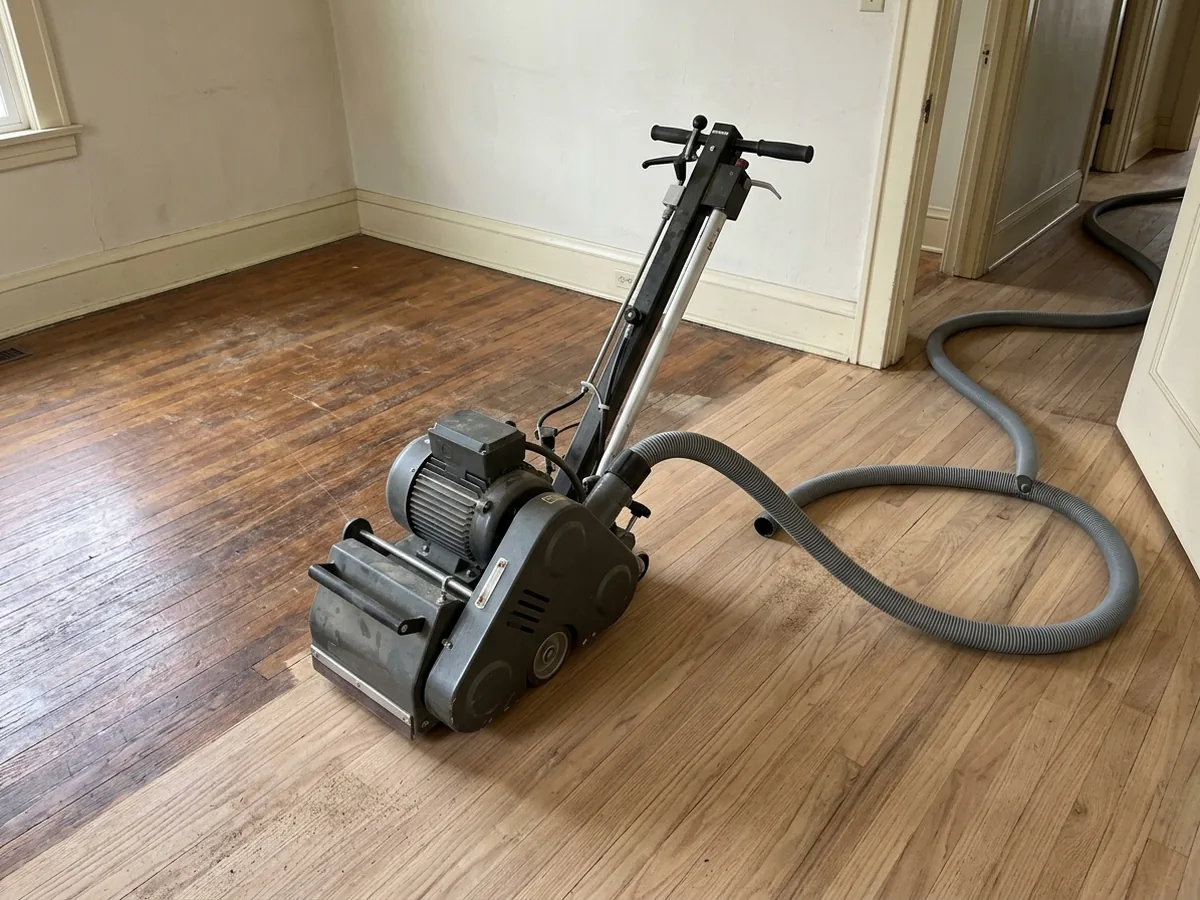
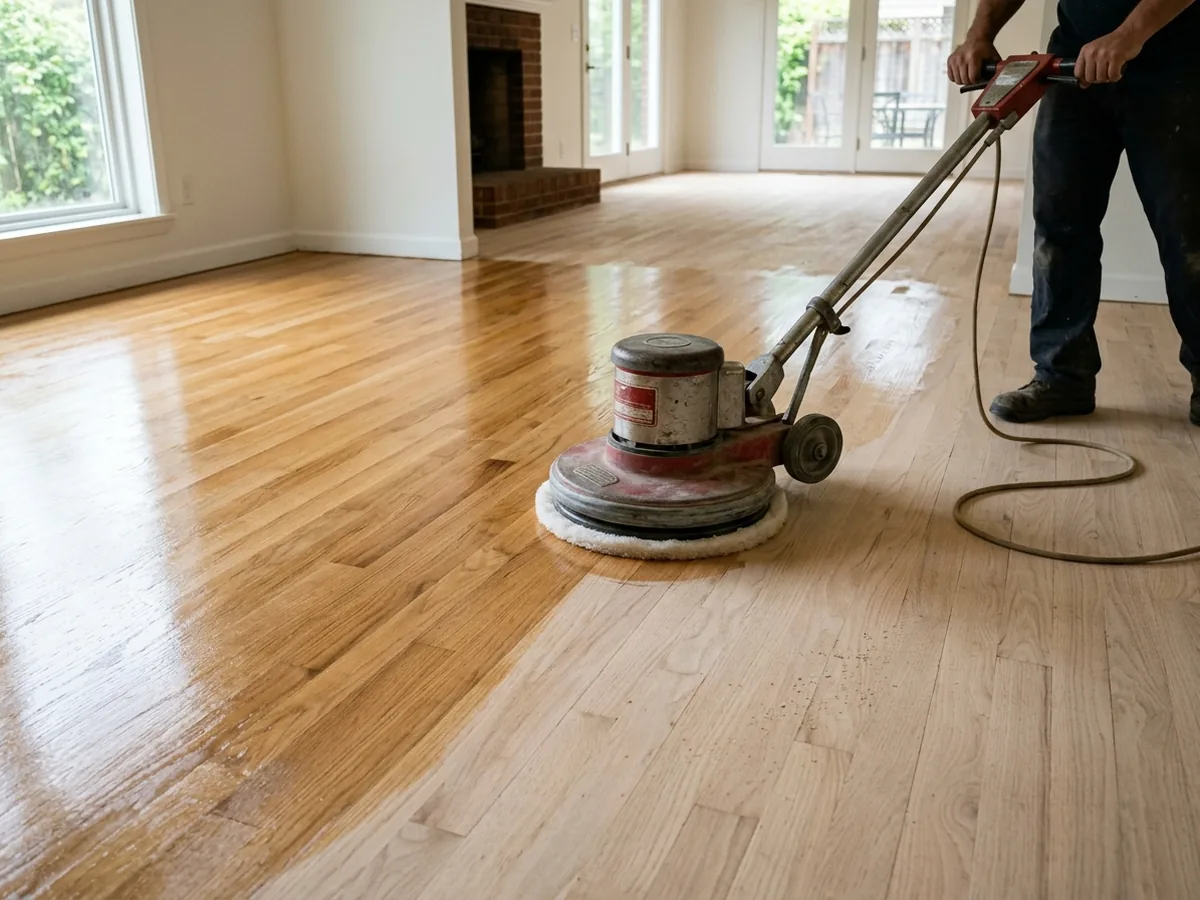
A full refinish sands through the old finish to bare wood with a drum or belt sander, an edger along the walls and a buffer to blend the two. Each pass uses a finer grit than the last. The floor is vacuumed, stained if you want color, then coated two or three times. HomeGuide says solid floors can be refinished four to ten times, and engineered floors one to three, depending on the wear layer. The NWFA says the number depends on the contractor's skill and equipment as much as on the wood, which is a good reason to ask who's running the sander.
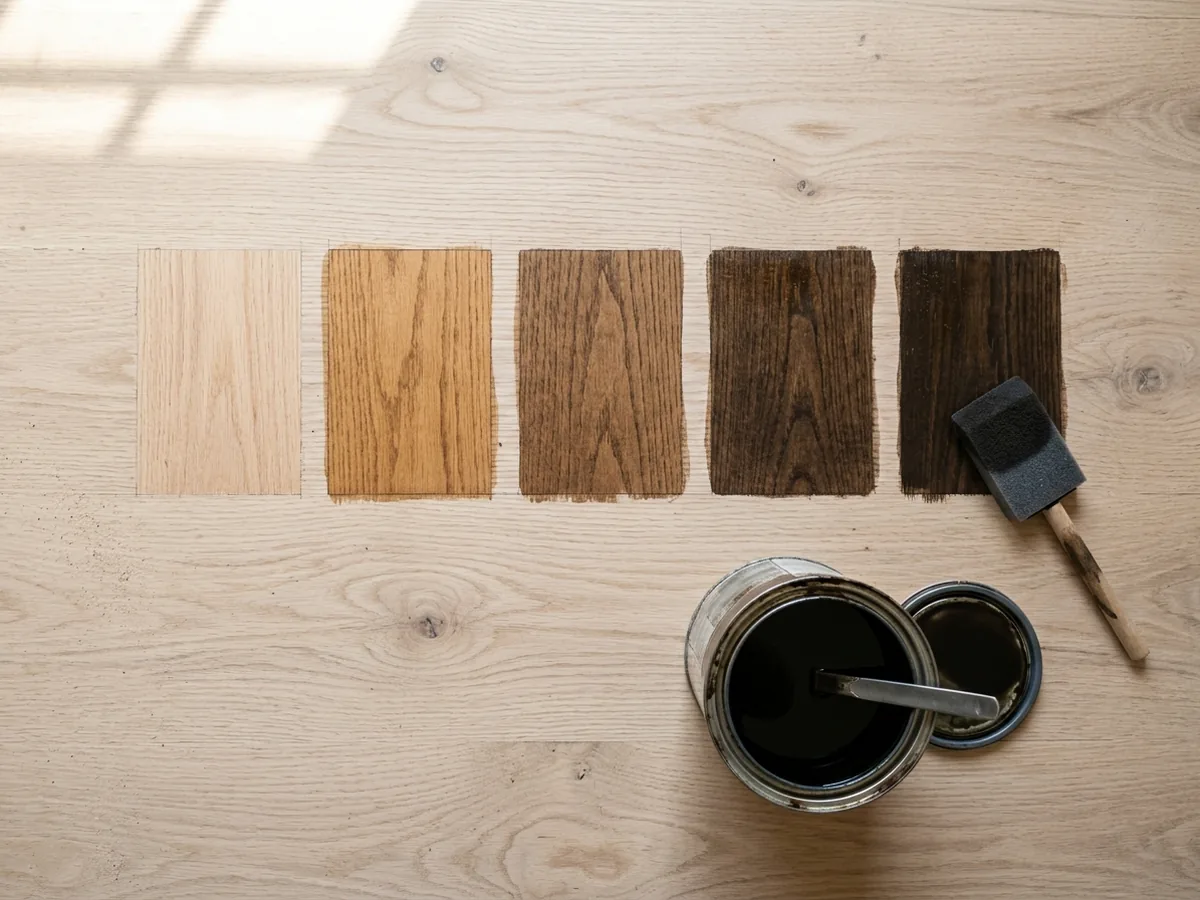
Hardwood Floor Staining and Color Changes
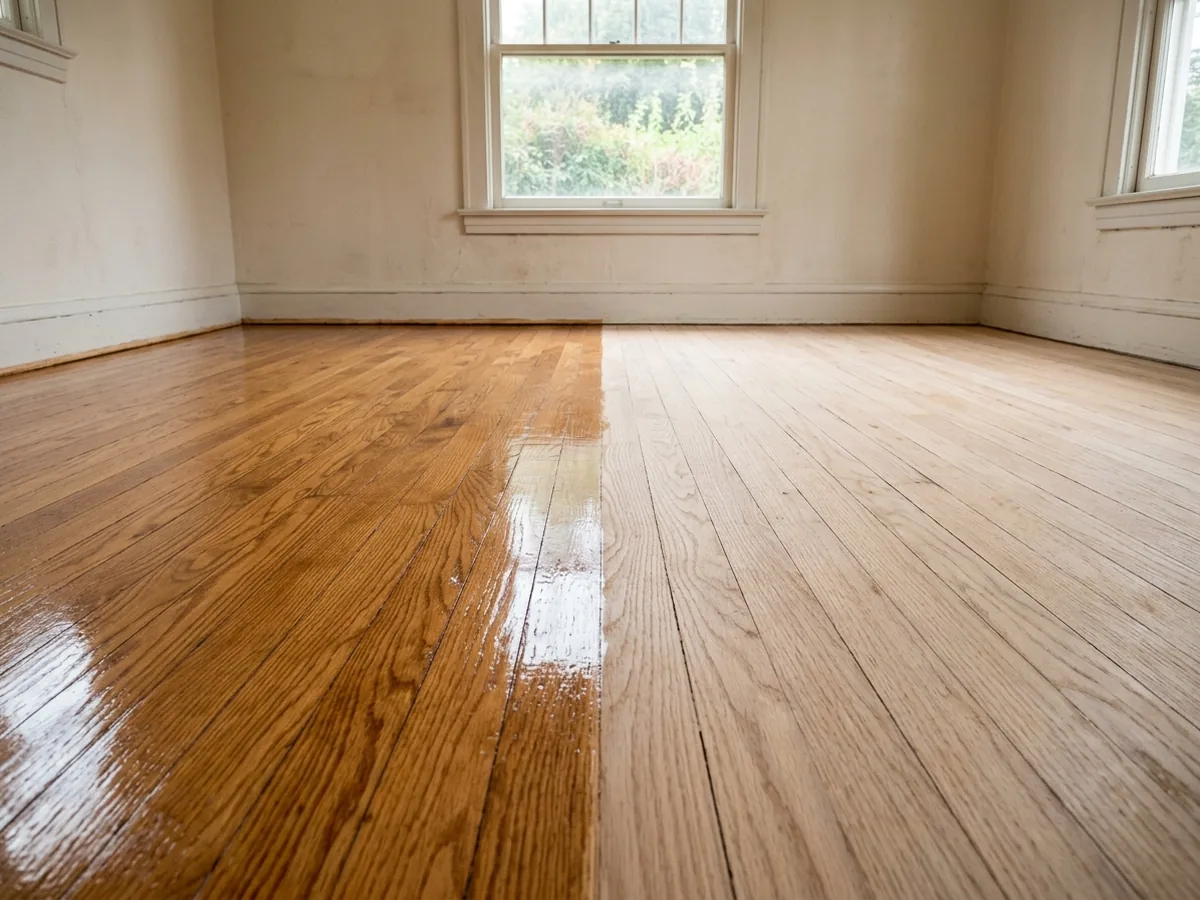
Color only changes when the floor is sanded to raw wood, so a lighter look means a full sand. Ask for sample patches brushed onto your own floor, not a chip in a showroom, and look at them in daylight and lamplight. Oak takes stain evenly. Maple tends to blotch, and The Wood Database notes it may need a pre-conditioner, gel stain or toner. Some installers wet the grain first (a water pop) so a darker stain soaks in more evenly. Sheen is the last choice: matte and satin hide dust and scratches better than semi-gloss.
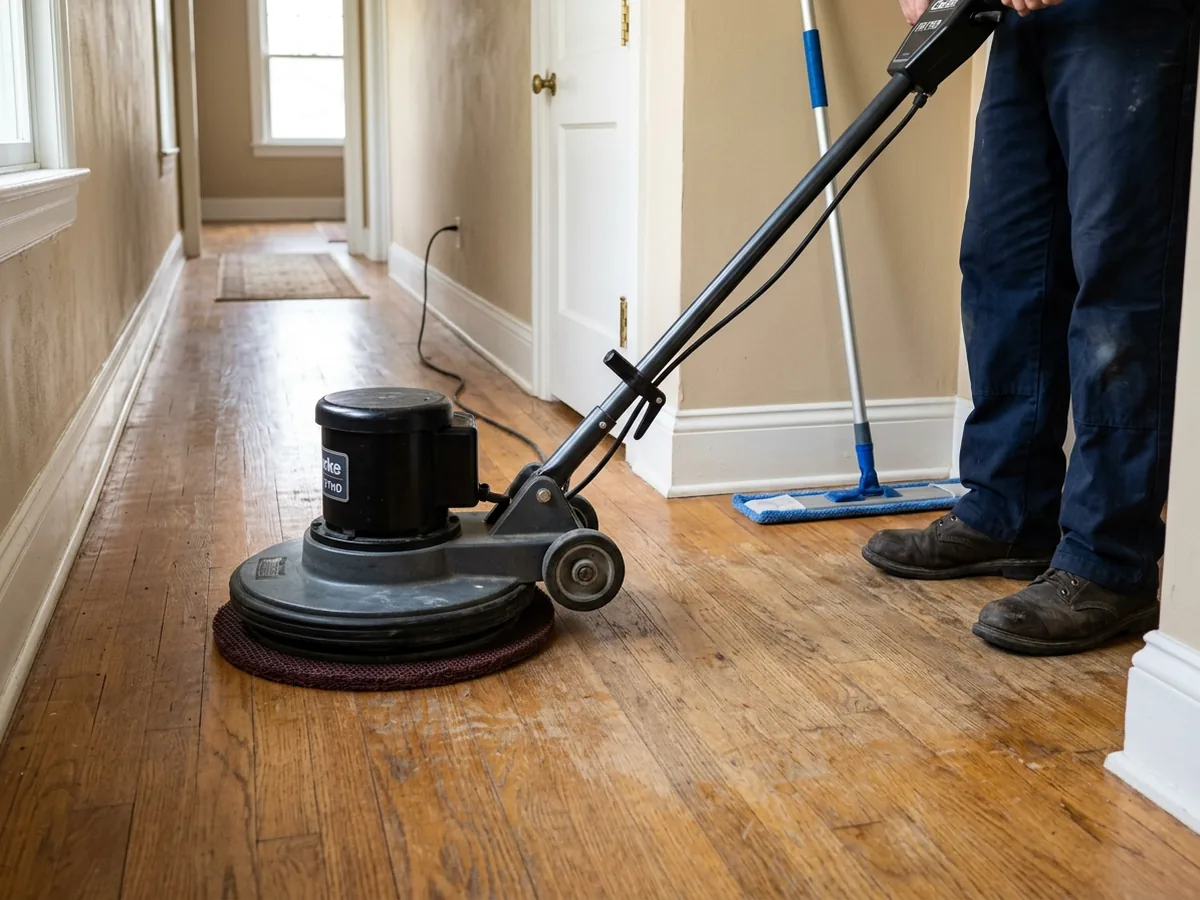
Screen and Recoat
A screen and recoat is refinishing without sanding to bare wood. The installer cleans the floor, scuffs the existing finish with a buffer and abrasive screen, then rolls on a fresh topcoat. It fixes dullness and light scuffs, and nationally it costs $2 to $5 a square foot. It can't fix wear that has reached the wood. A quick test: wipe a worn spot with a damp cloth. If it looks fine while wet, a recoat will likely do. Urethane won't stick over wax, and some factory aluminum-oxide finishes are hard to bond to.
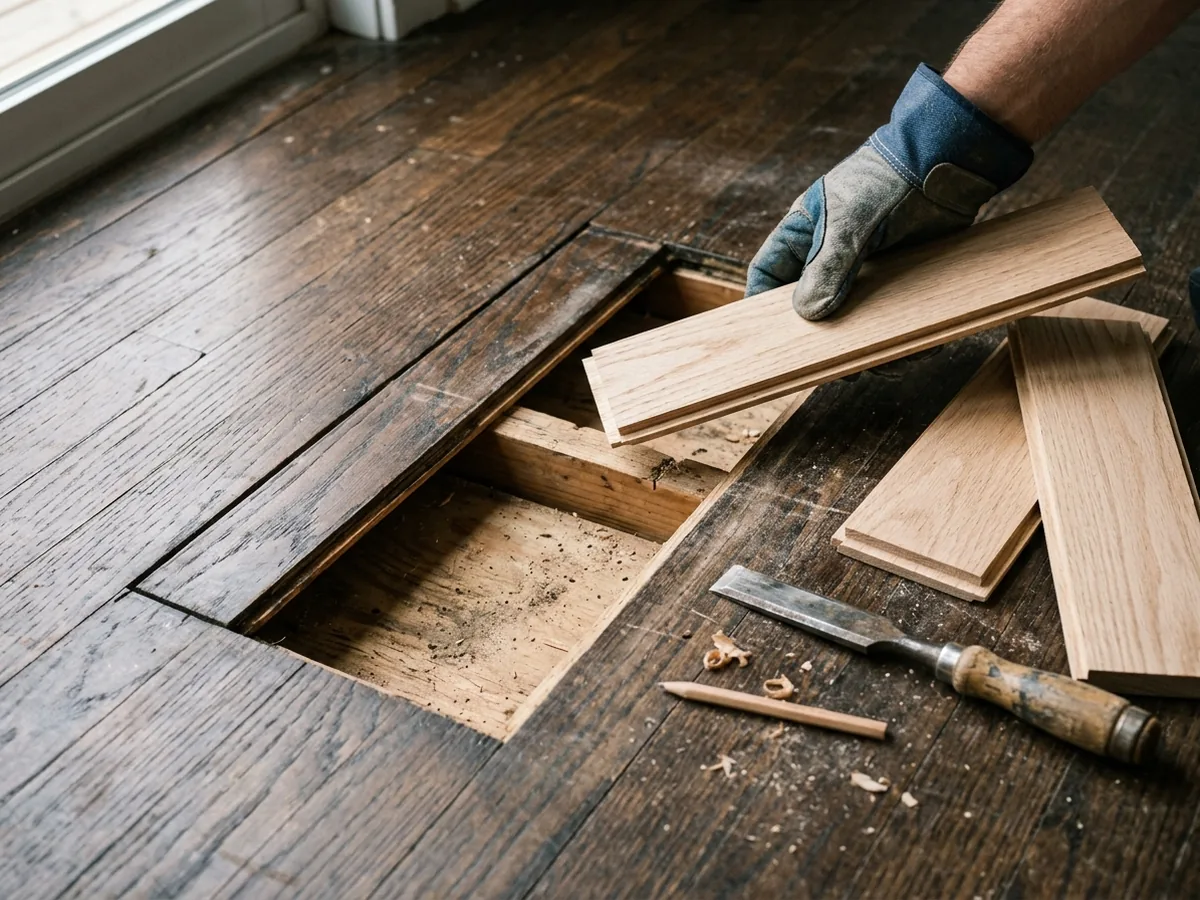
Hardwood Floor Repair and Board Replacement
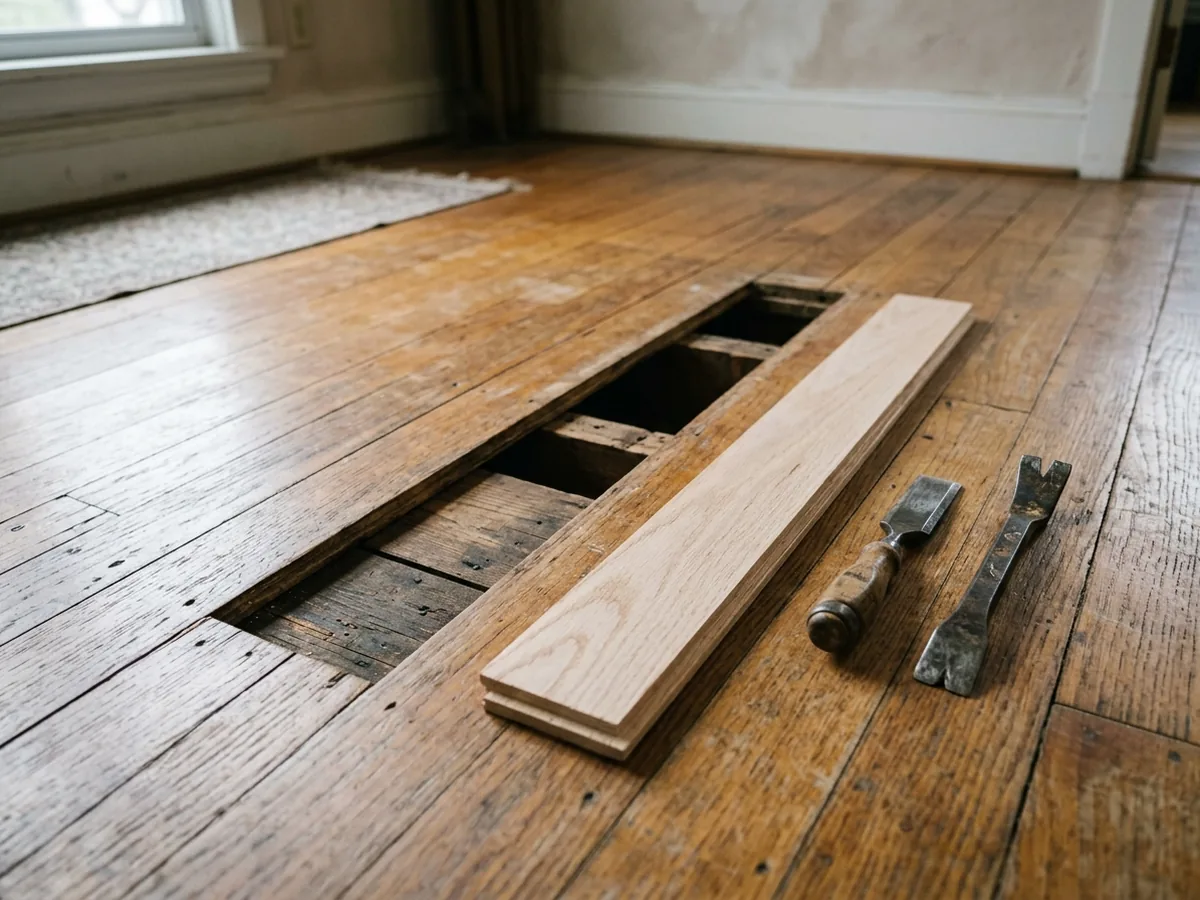
Most repairs come down to a few boards. Deep gouges, black pet stains in oak, a split plank or a burn get cut out, and new boards are woven in so the joints stagger like the rest of the floor. The trick is matching species, width and thickness, and with old floors that sometimes means pulling boards from a closet. Where a wall has come out, the installer laces new boards into the gap instead of leaving a patch line. HomeGuide puts board replacement at $5 to $20 a square foot.
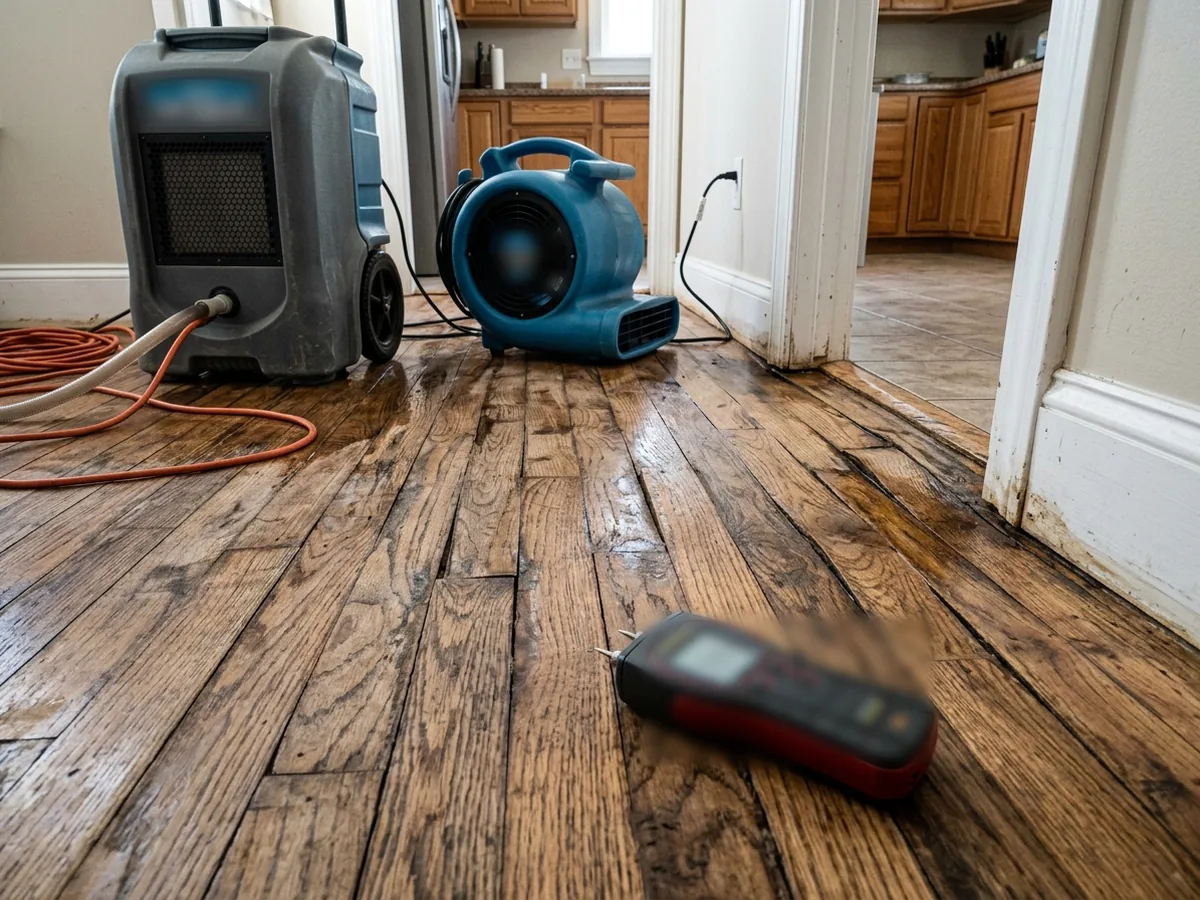
Water-Damaged Hardwood Floor Repair
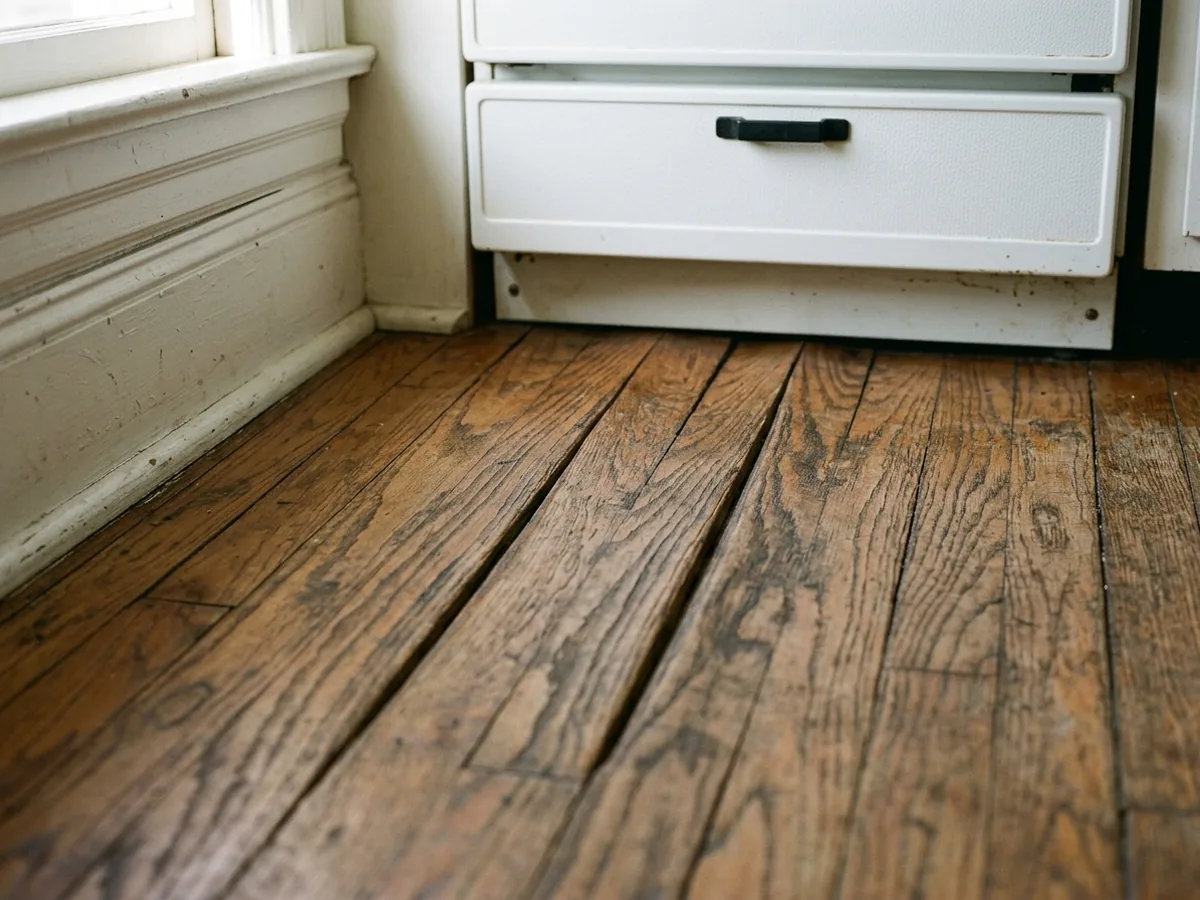
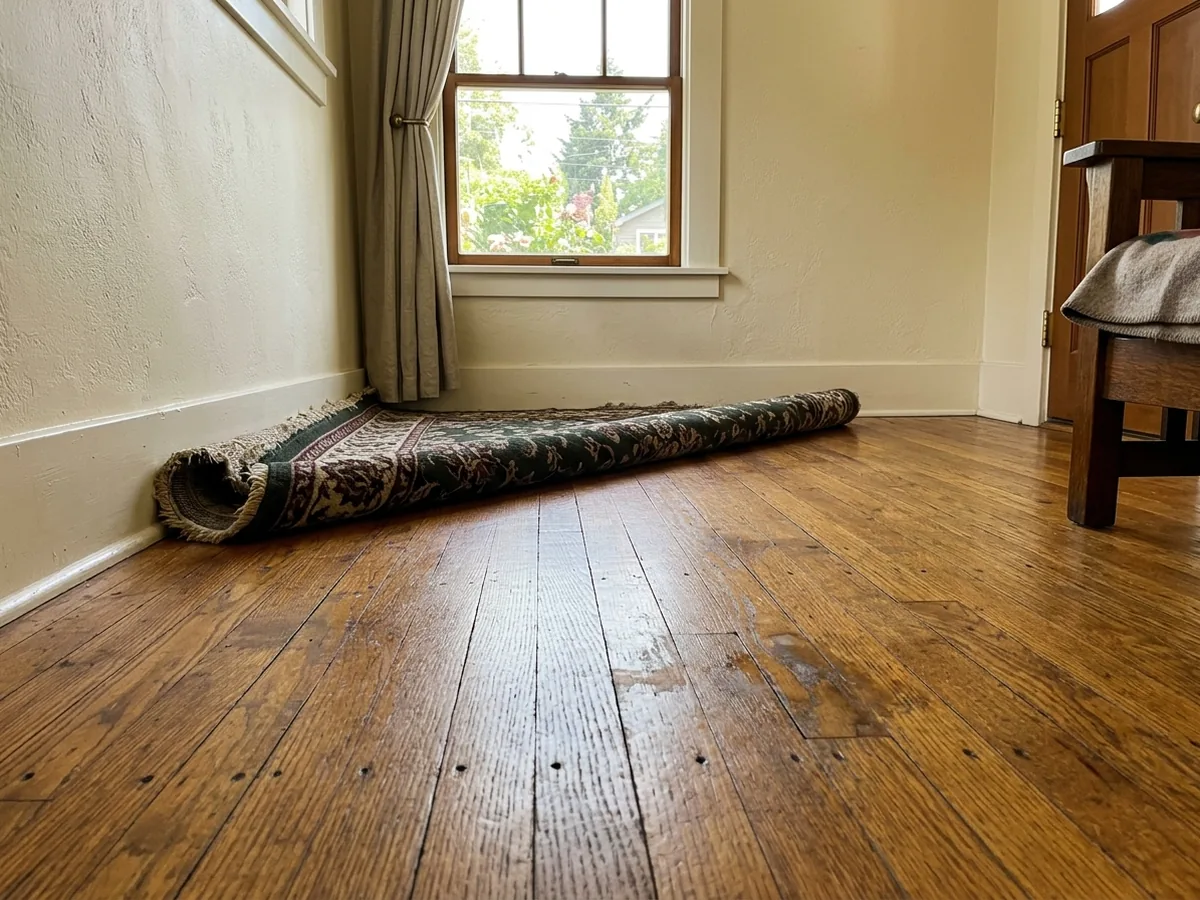
Water shows up as cupping (board edges higher than the middle), crowning (the middle higher) or buckling, where boards lift off the subfloor. The fix starts with the leak, then fans and dehumidifiers, then moisture readings until the wood settles back. Hardwood Floors Magazine explains that sanding a cupped floor flat while it's still wet underneath leaves it crowned later, once the wood dries. Boards that have split or come apart get replaced. For an insurance claim, ask the contractor for dated photos and written moisture readings.
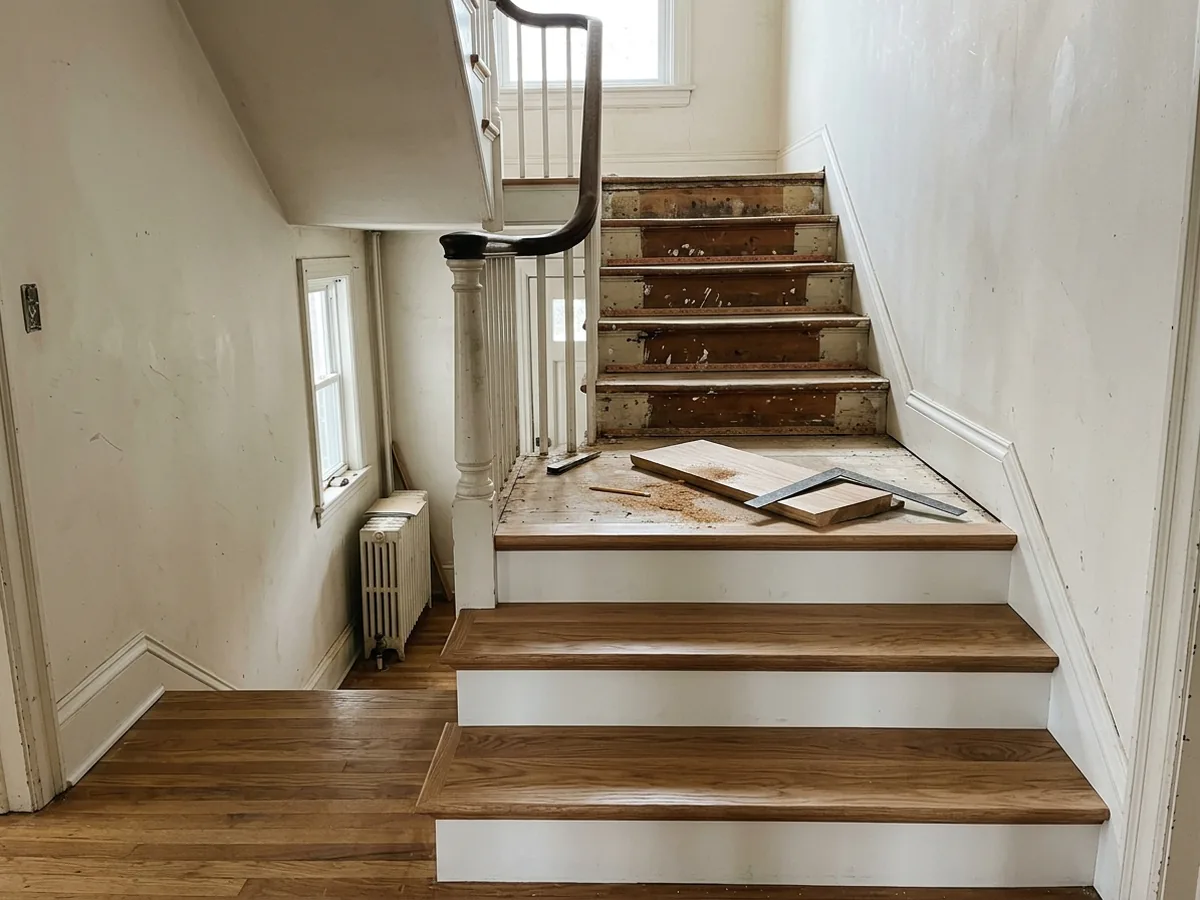
Hardwood Stairs and Stair Treads
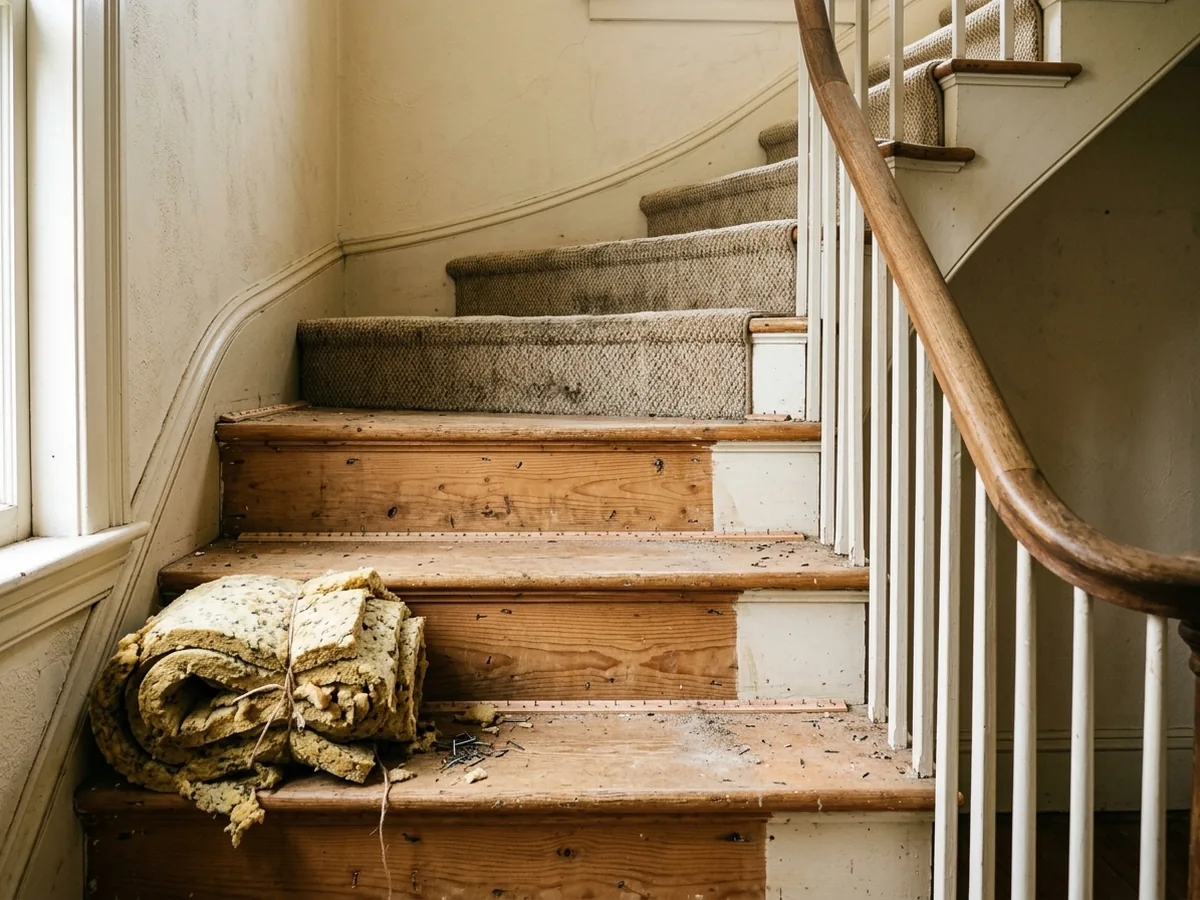
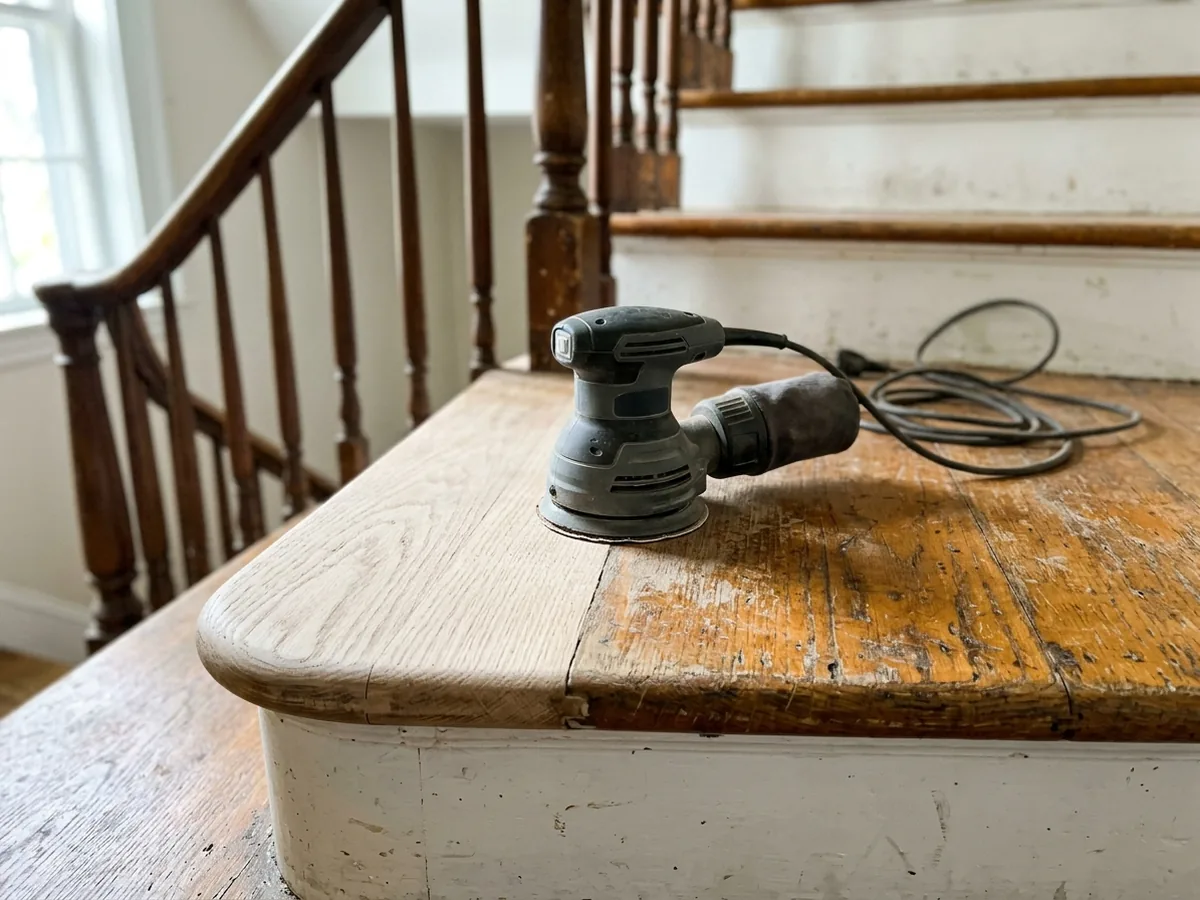
Stairs are often the last piece of carpet left in the house. Pulling it sometimes reveals usable oak treads. More often there's construction-grade lumber underneath, and new treads, risers and nosing go over or in place of it. Treads should match the floor's species and stain so the two read as one. Refinishing existing stairs is mostly hand work, since a drum sander doesn't fit, and HomeGuide's national range is $25 to $85 per step.
See Hardwood Stairs in Ann Arbor, MI and Staircase Refinishing in Ann Arbor, MI.
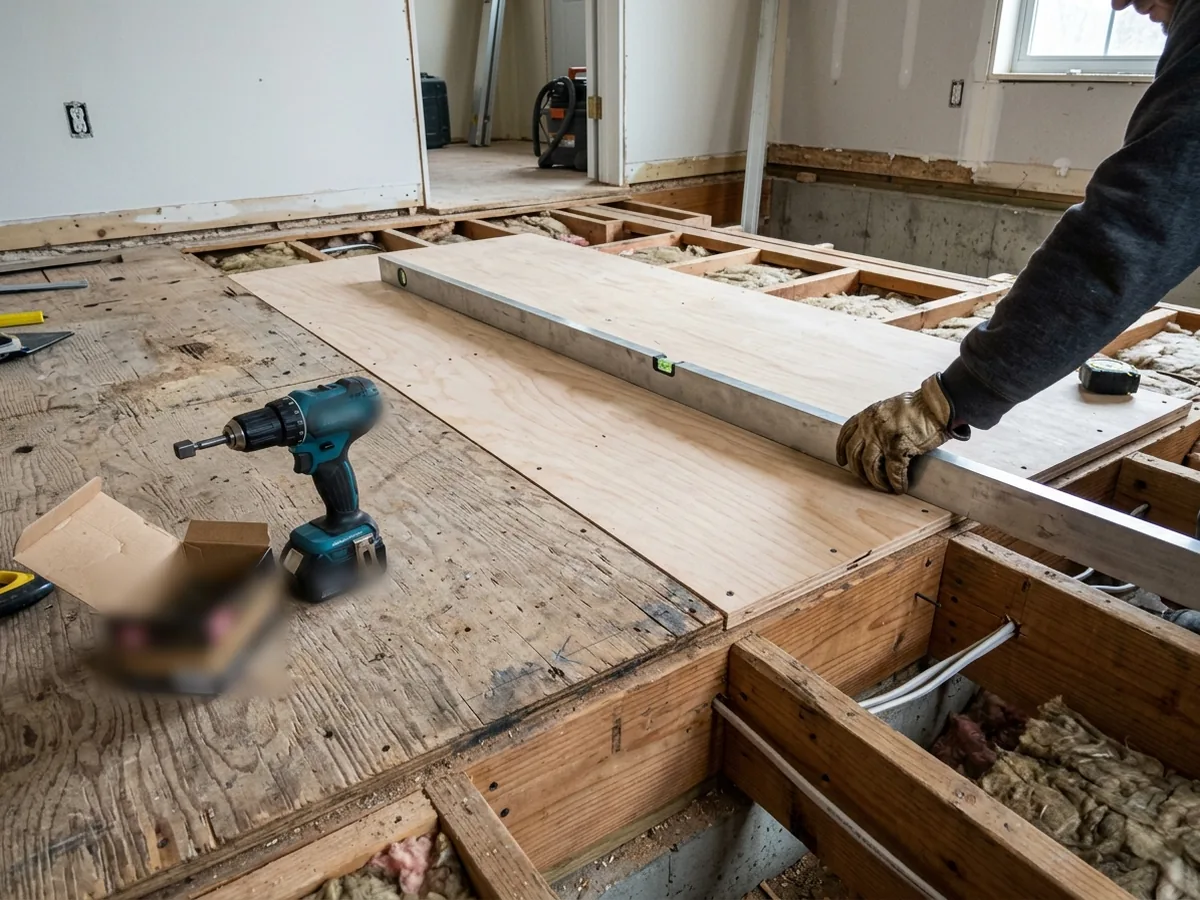
Subfloor Repair, Leveling and Squeaky Floors
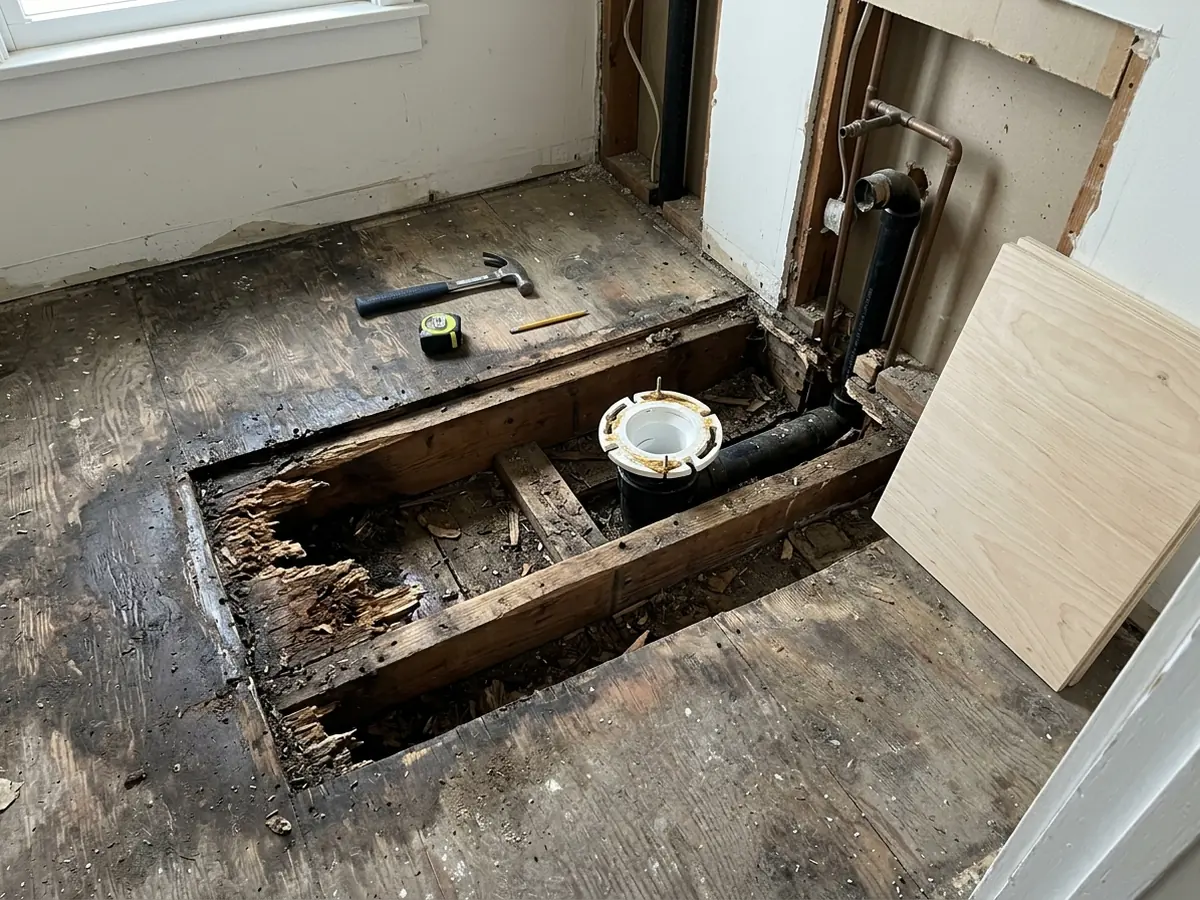
A wood floor can only be as flat as what's under it. The NWFA standard is within 3/16 inch over 10 feet (or 1/8 inch over 6 feet) for glue-down floors, and 1/4 inch over 10 feet when nailing. High spots get sanded or planed, low spots filled, and slabs get a leveling compound. Most squeaks come from a subfloor that has pulled away from the joists. Screwing it back down, adding blocking or sistering a weak joist usually quiets it.
Finishes, Restoration and Other Specialty Hardwood Work
Dust-Contained Sanding
Some sanders hook to a vacuum or cyclone unit that pulls dust off the drum as it cuts. That's less dust, not zero, and nationally it adds $2 to $4 a square foot. Ask which system the contractor runs and whether the edger is connected to it too.
Historic Hardwood Floor Restoration
An old floor is worth saving if the boards are sound. Restoration means resetting loose boards, filling old nail holes and patching with matching wood instead of tearing out a room. An original border gets sanded by hand at its edges so the pattern stays crisp. In a house built before 1978, paid work that disturbs painted surfaces such as baseboards and thresholds falls under the EPA's lead-safe RRP rule.
Hardwax Oil and Natural Finishes
Hardwax oils such as Rubio Monocoat, Osmo and Loba soak into the wood and leave a matte, close-to-raw look. A worn spot can be touched up without redoing the room. Rubio's Oil Plus 2C allows full move-in after 48 hours, cures in 7 days and gets cleaned with its own soap.
Water-Based vs Oil-Based Polyurethane
Water-based poly dries clear in about two hours and stays clear. Oil-based poly ambers, which suits some oak floors, needs about five hours between coats and has a strong smell. A two-part waterborne like Bona Traffic HD is fully cured in 3 days.
Inlays, Borders and Medallions
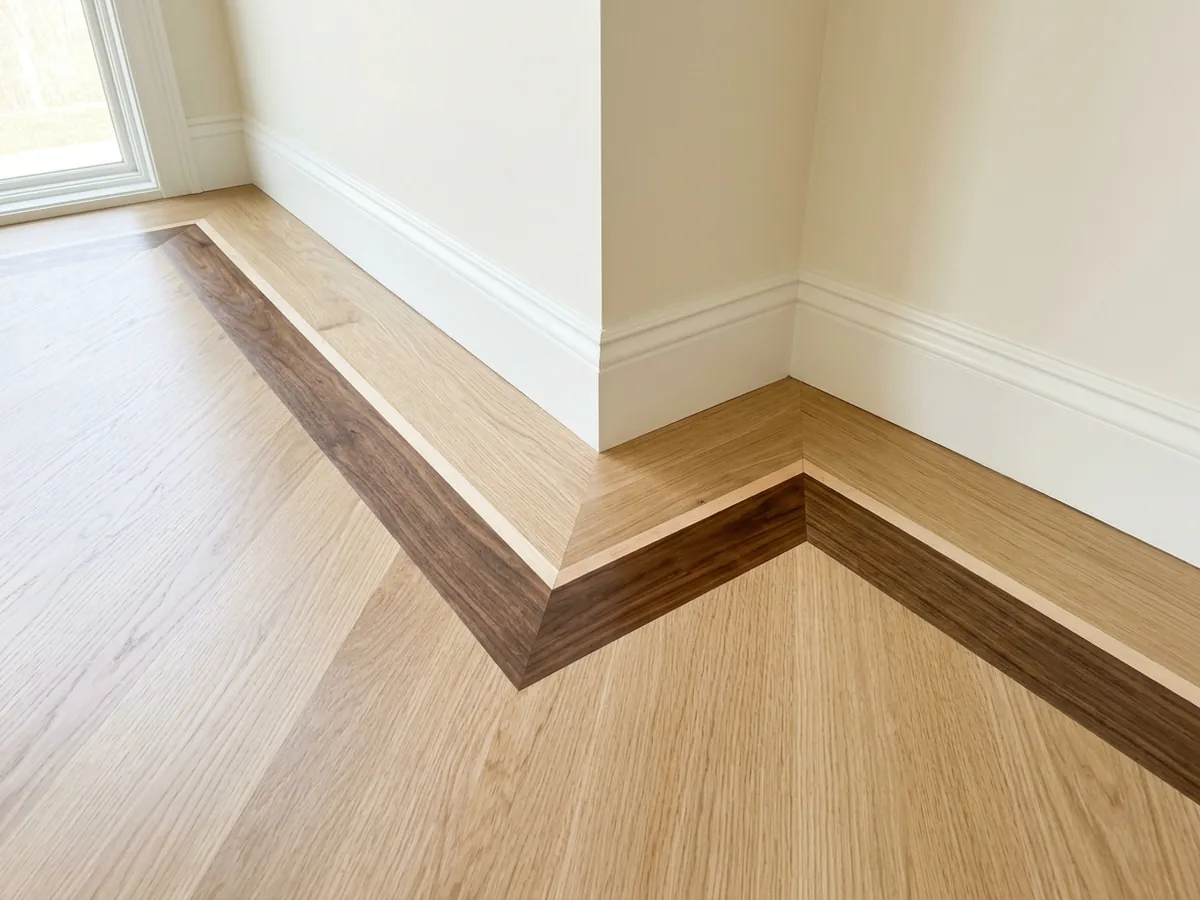
A contrasting border, such as walnut around a white oak field, frames a room. Feature strips and routed-in medallions mark an entry or a dining area. They all need a flat subfloor and careful layout before the field boards go down.
Hardwood Over Radiant Floor Heat
Engineered flooring handles radiant heat better than solid. The NWFA's 2019 guidelines cap the floor's surface temperature at 80°F, and the system should be running before installation so the wood acclimates to real conditions.
Wood Floors for Landlords, Shops and Gyms
Rental Houses and Student Apartments
Renters occupy more than half of Ann Arbor's housing (54.5% of occupied units). A screen and recoat between leases keeps a worn hallway from turning into a full sand later. In our view, it also beats replacing carpet after every tenant.
See Screen and Recoat in Ann Arbor, MI and Commercial Hardwood Flooring in Ann Arbor, MI.
Restaurants, Shops and Offices
Storefronts need a tough finish, work at night or on weekends, and attention to slip resistance at the door. In an older building, it's worth checking under the vinyl or carpet for original wood that could be sanded back.
Gyms, Dance Studios and School Floors
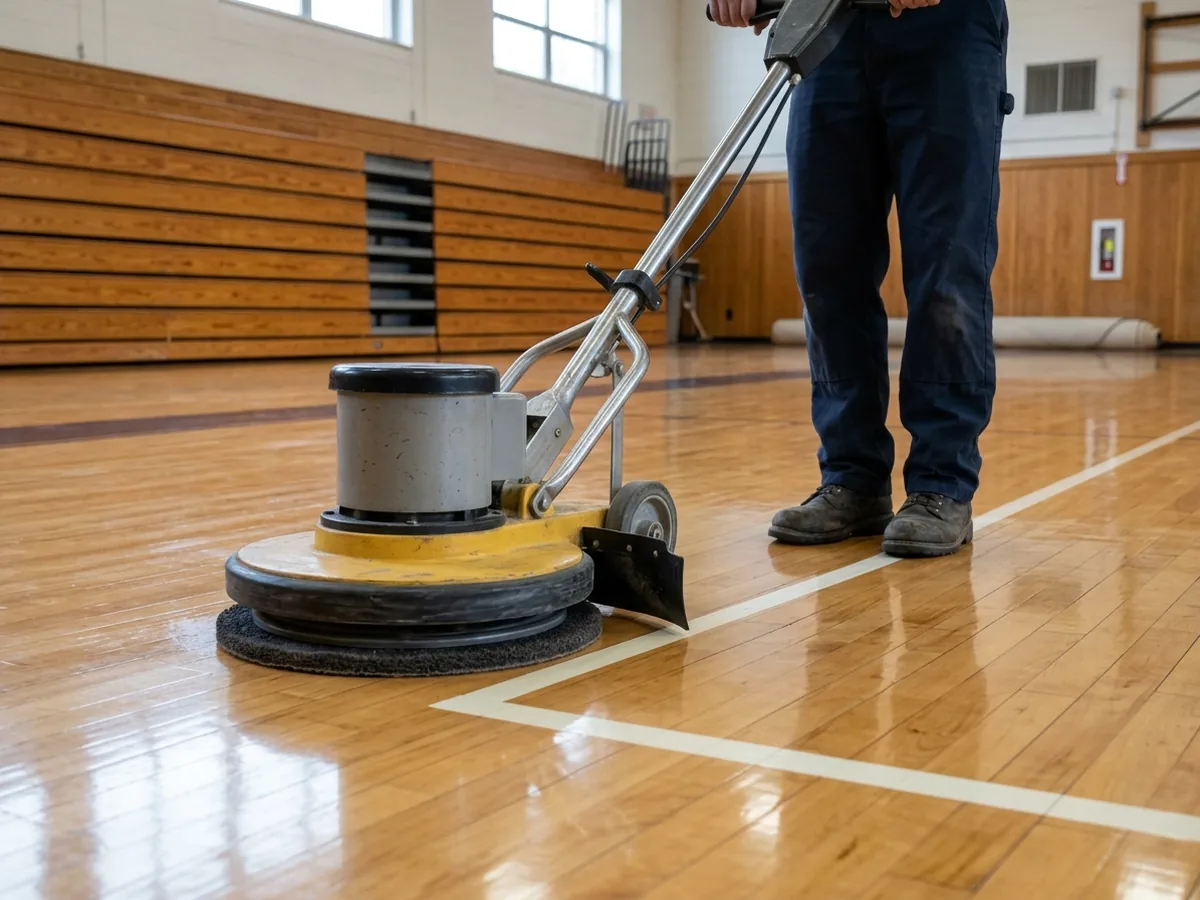
Maple sports floors follow MFMA maintenance guidance: most gyms recoat every year and sand to bare wood every eight to twelve years or so. Game lines get repainted after each sand.
Builders and Remodelers
On new construction, hardwood goes in after drywall mud has dried and the heat or air is running. The NWFA's moisture limits between floor and subfloor apply here too.
What Hardwood Floors Cost in Ann Arbor
HomeGuide's 2025 national averages put new hardwood at $9 to $25 a square foot installed: $11 to $25 for solid and $9 to $20 for engineered. Refinishing an existing floor runs $2 to $8 a square foot, and a screen and recoat $2 to $5. No published survey covers Ann Arbor on its own, so treat these as starting points, not quotes.
Worked out with those same rates:
1,000 sq ft installed
$9,000 to $25,000.1,000 sq ft refinished
about $2,000 to $8,000.A 12 x 12 room (144 sq ft)
about $1,300 to $3,600 installed, or $290 to $1,200 to refinish.
What moves the number:
Species and grade
White oak runs $6 to $12 a square foot for materials, red oak $5 to $10, and clearer grades cost more.Width and pattern
Wide planks cost more per foot, and herringbone can reach $40 a square foot.Tear-out and subfloor
Removing an old floor adds $1.50 to $3.50 a square foot, and replacing subfloor $2.20 to $4.75.Stairs
Priced per step, not per square foot.Stain and extra coats
Stain adds about a dollar a square foot to a refinish.Furniture
Some contractors charge $20 to $50 per room to move it.
Get a free wood flooring estimate in Ann Arbor
- Free estimate, and you can ask for it in writing, species and finish named
- One independent local floor contractor gets your request, not a call list
- No fee to homeowners for the referral
- Ask for moisture readings before any new floor goes down
Refinish or Replace Your Hardwood Floor?
Refinish if the boards are sound and there's enough wood above the tongue for another sanding. At $2 to $8 a square foot against $9 to $25 for new, we'd try refinishing first. Replace when water, rot or earlier sandings have used the wood up. The checks that decide it:
Wood above the tongue
Look at a board edge at a floor register. Little wood above the tongue means a sander will soon reach it.Engineered wear layer
The NWFA's sanding guidance says a wear layer under 3/32 inch shouldn't be sanded at all.Deep pet stains
Black urine stains in oak can go deeper than a sander reaches, but a few boards can be replaced and the rest refinished.Cupping or water damage
Dried-out cupping can be sanded once the moisture has settled. Delaminated or split boards can't.Subfloor movement
Bounce, sag or squeaks across a whole room point to work under the floor first.A different look
Changing species or going from strip to wide plank means new flooring. A new color only needs a sand.
Michigan Humidity and Your Wood Floor
Wood swells when it takes on moisture and shrinks when it dries. Ann Arbor puts floors through both. January averages 24°F, and a furnace heating that air dries the house out. ENERGY STAR suggests 30 to 40 percent indoor humidity in cold-climate winters to avoid window condensation. July averages 72°F, and June is the wettest month at 3.91 inches.
In practice, thin gaps open between boards in February and close again by summer. The NWFA calls that normal as long as they close. Cupping in a humid stretch is the warning sign. The NWFA's advice is to keep the house at 60 to 80°F and 30 to 50 percent humidity all year, which usually means a humidifier on the furnace and air conditioning or a dehumidifier in summer.
Timing a job comes down to tradeoffs. High humidity and cold slow down how fast waterborne finishes dry. Oil-based finishes want the windows open. Late spring and early fall usually give a little of both, but new flooring should acclimate in the house with the heat or air running, whatever the month.
Picking a Species and Grade
Janka hardness measures how hard a wood resists dents, in pounds of force (The Wood Database):
Black walnut
1,010 lbf, rich brown and the softest of the five.Red oak
1,220 lbf, with a warm, slightly pink tone.White oak
1,350 lbf, cooler in color and very rot resistant.Hard maple
1,450 lbf, pale and smooth, but blotchy under stain.Shagbark hickory
1,880 lbf, the hardest here, with strong color swings.
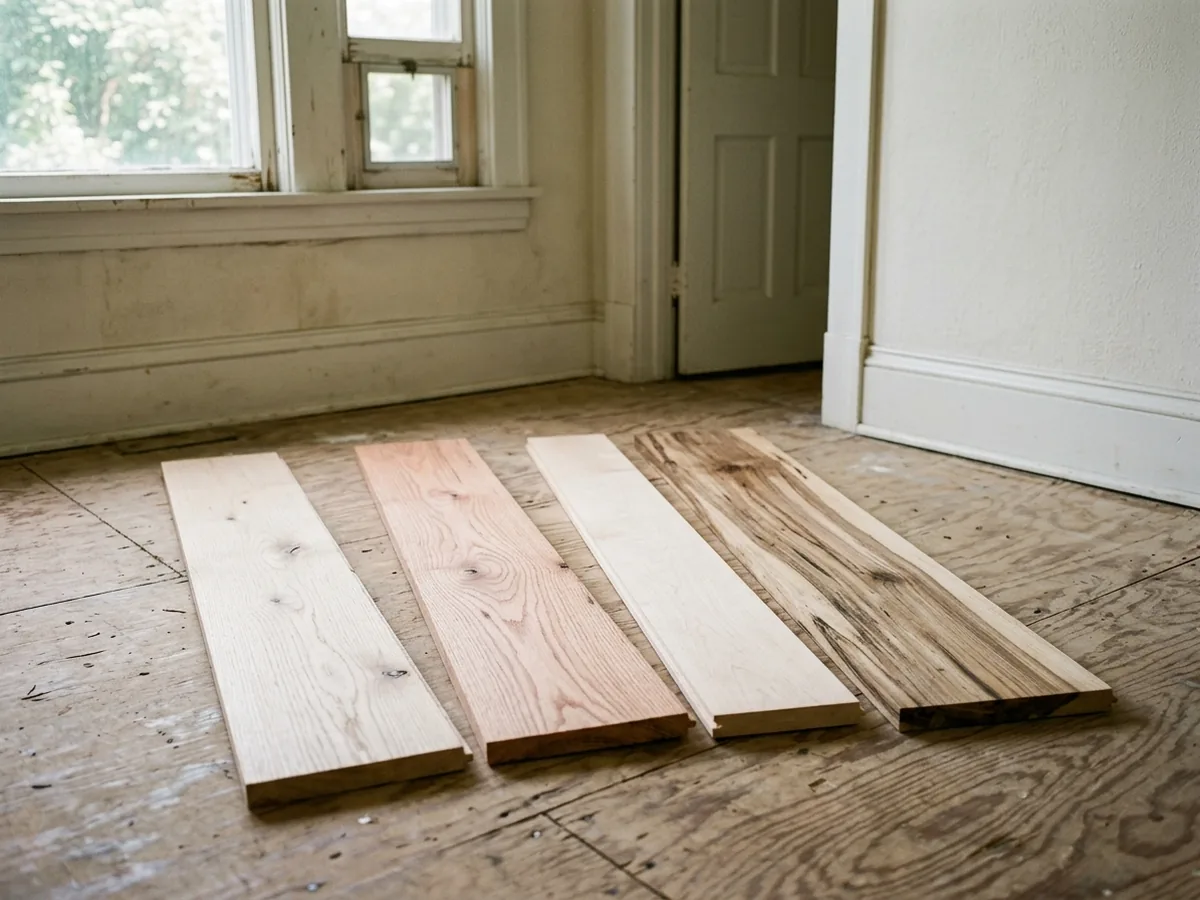
Grade describes looks only. NOFMA's oak grades run Clear, Select, No. 1 Common and No. 2 Common, from the fewest knots to the most, and the NWFA says all are equally strong. Our take: red or white oak in No. 1 Common is the best value for most houses. With dogs, a harder species, a matte finish and a lighter color hide claw marks best.
From Walk-Through to Finished Floor
- 1
Phone or Online Request
Give the rooms, rough square footage and what's on the floor now. Ann Arbor Wood Flooring passes the request to one independent local contractor.
- 2
Walk-Through and Moisture Readings
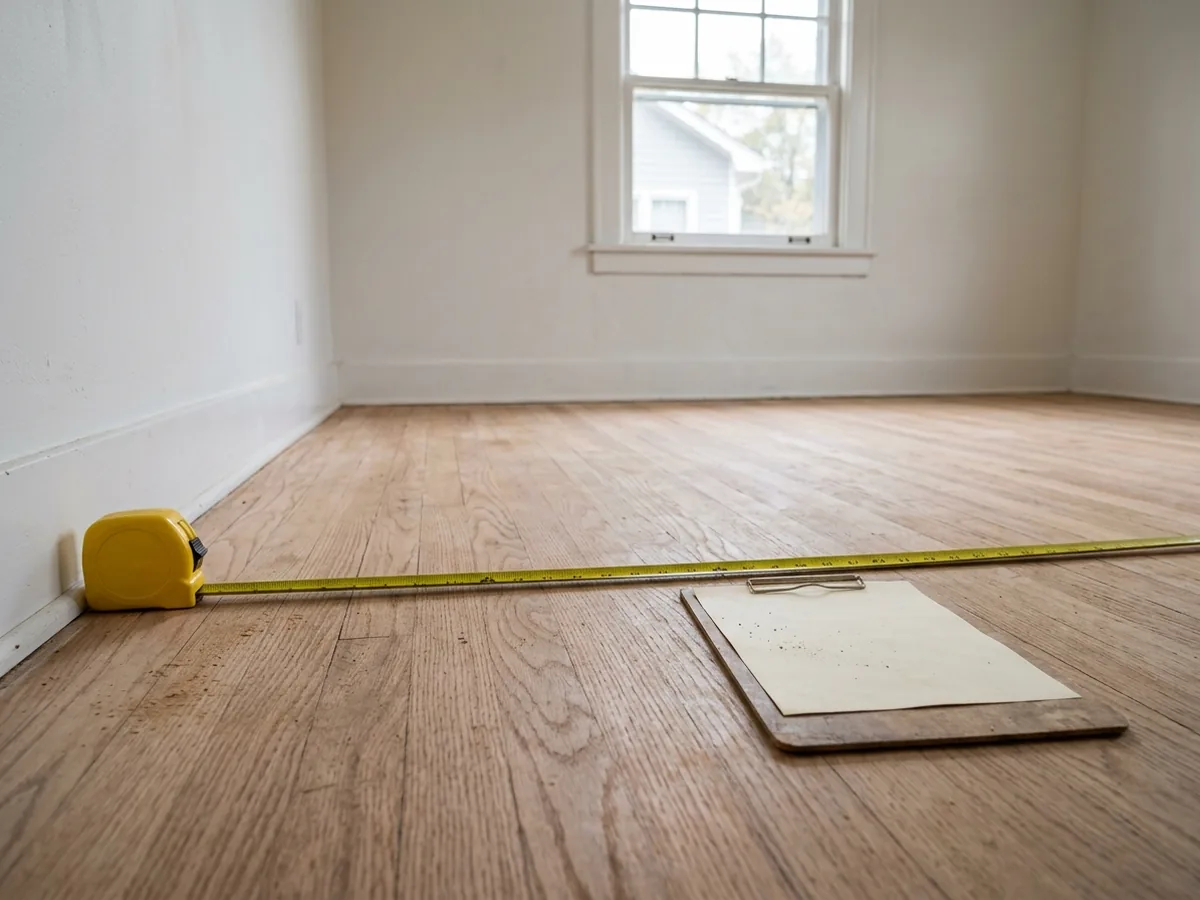
Ask the contractor to measure, take moisture readings and check how much wood is left above the tongue at a floor register.
- 3
Written Estimate
A good estimate names the species, grade, finish, number of coats, stairs, tear-out and furniture moving. Get it in writing before booking a date.
- 4
Prep, Install or Sand
Furniture comes out and doorways get sealed off. Then new flooring goes down, or the old floor is sanded and stained.
- 5
Finish Coats and Cure Time
Waterborne coats dry in two to three hours. Ask the contractor when you can walk on the floor, when furniture can go back on felt pads, and when rugs can return. Rugs usually wait for a full cure.
Hardwood Floors Across Ann Arbor
The Old West Side has frame houses in styles from 1860 to 1914, and the 1960s were the busiest building decade. More than a quarter of homes date from 1990 or later. Call Ann Arbor Wood Flooring with the address and the floor you have.