
Gym Floor Refinishing and Maple Sports Floor Work
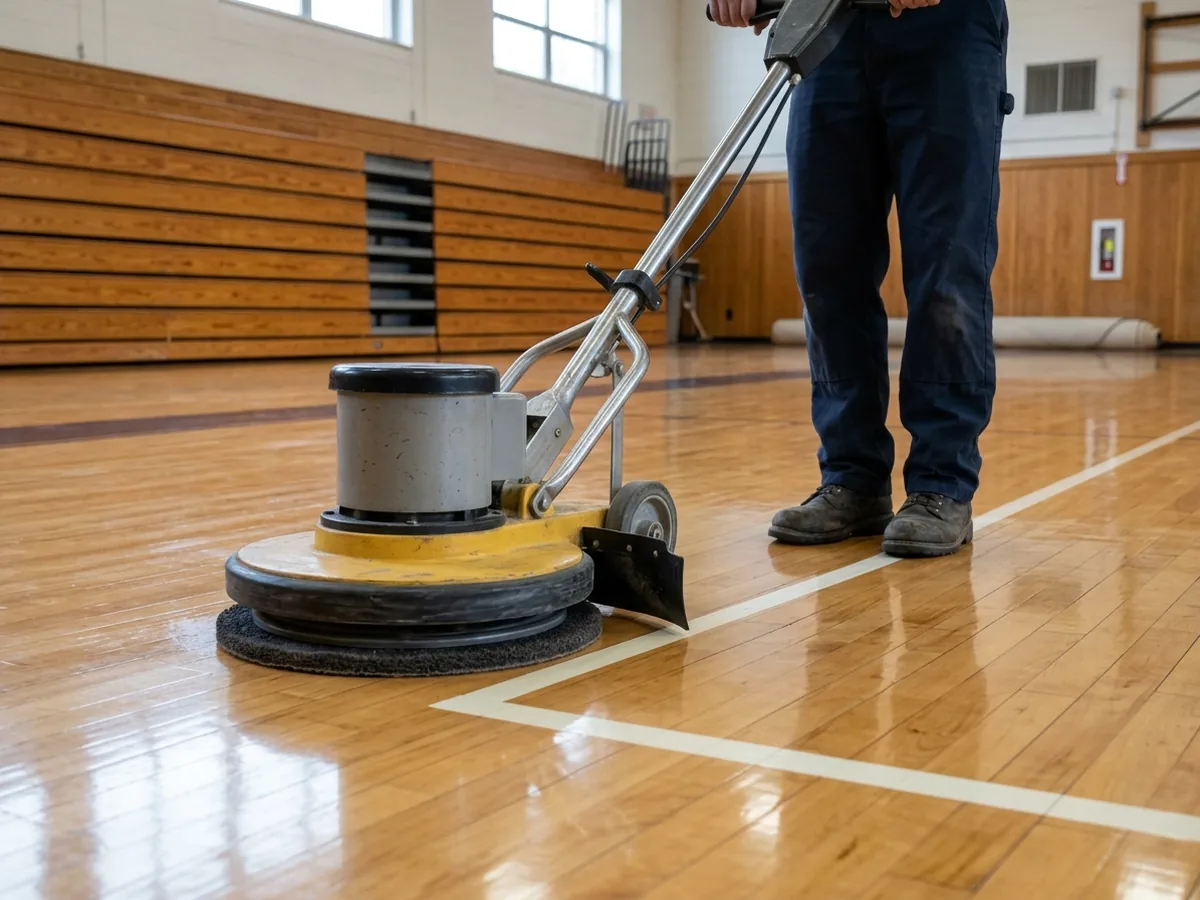
Annual Screen and Recoat for Gym Floors
A maple gym floor gets a maintenance coat every year. In the MFMA guidance summarized by Sports Floors Inc., "most gymnasium floors should be recoated annually." The crew deep-cleans the floor, abrades the old finish with a buffer and screen, removes every trace of dust, and rolls on a fresh topcoat. The game lines stay under the finish untouched.
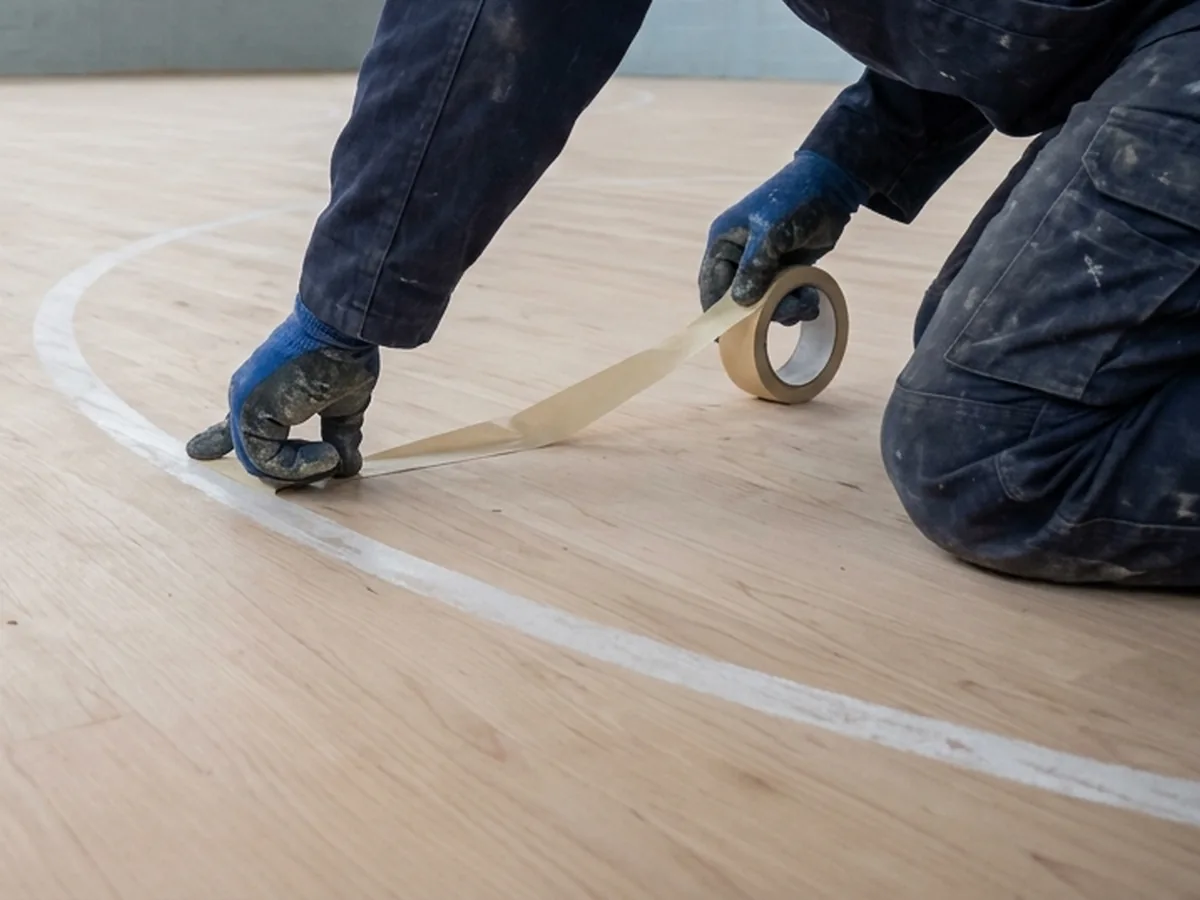
The annual coat only works if the old finish is clean. The MFMA warns that automatic power scrubbers can cause gapping, cupping and peeling of the annual recoat when maintenance products from other floors cross-contaminate the wood. It also advises against taping temporary court lines, because tape pulls finish off when it's removed. Ask the contractor to do an adhesion test on a small area before recoating a floor that's been scrubbed or taped. The general limits on when a recoat will bond are on screen and recoat.
Full Sand, Game Lines and Logos
Every several years the finish builds up and the court graphics wear, and the floor is sanded to bare wood. The MFMA says a 25/32-inch maple floor, sanded by a skilled contractor, can take up to six sandings over its life, and that with sandings every 8 to 12 years its lifespan can exceed 75 years. The association adds that more frequent, lighter sandings remove less wood than one aggressive sand through 15 years of finish buildup.
After sanding come seal coats, then game lines and logos, then finish coats over the paint. The MFMA's advice is to check line layouts with the governing body before painting; for high school basketball that's the National Federation of State High School Associations. Solid painted areas such as keys, sidelines and big center logos show winter shrinkage cracks more than bare maple does, according to the MFMA, so a fully painted key will look gappier in February than the wood around it.
New Maple Sports Floor Systems
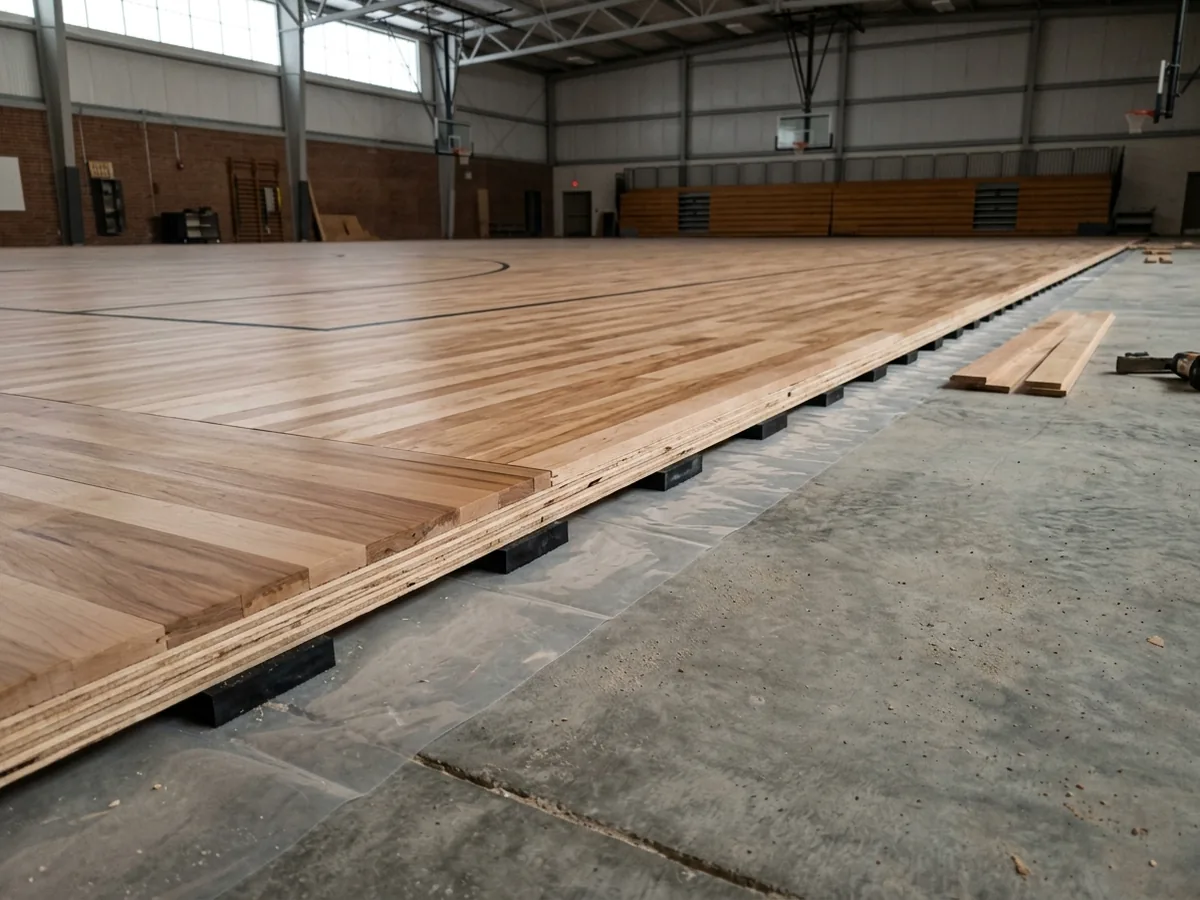
A new gym floor is a system, not just boards. The MFMA describes three basic subfloor designs: floating systems that sit loose on the slab, fixed systems fastened to it, and anchored resilient systems that are fastened but have pads or sleepers for give. A cushioned sleeper system, for example, puts wood sleepers on rubber pads over a sealed 6-mil polyethylene vapor retarder.
The maple itself comes in MFMA grades: First Grade, Second & Better (the most commonly specified) and Third, all with the same structural integrity. The most common thickness is 25/32 inch. For competition floors, the MFMA's PUR standards test shock absorption, vertical deflection, area of deflection, ball bounce and surface friction, pass or fail. A sports floor also needs a flatter slab than a house floor: 1/8 inch in 10 feet, per Hardwood Floors Magazine.
Ask which subfloor system is being proposed and why it fits the room's main use. The MFMA puts it plainly: specify a subfloor system that matches the floor's primary activity.
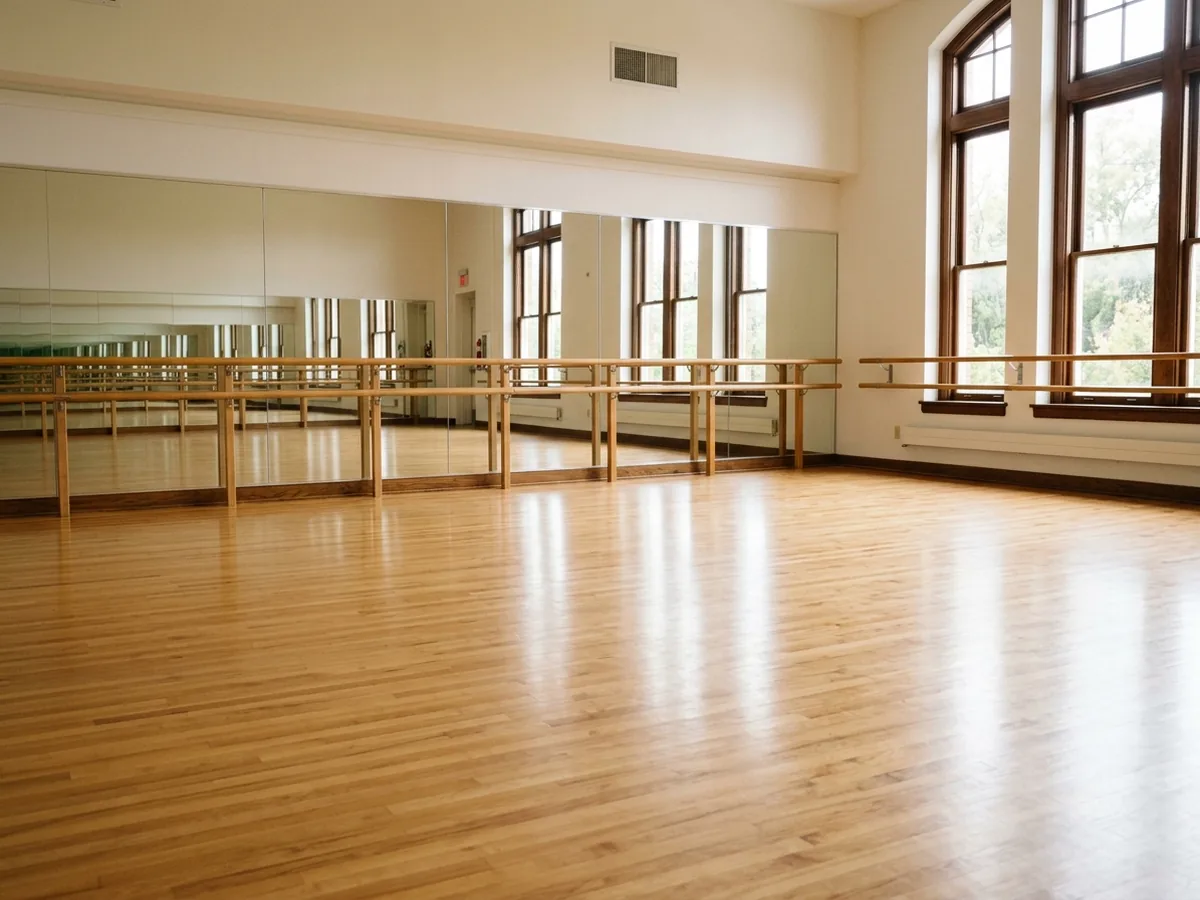
Dance Studio and Stage Floors
The MFMA lists aerobic and dance rooms among maple's uses, and notes that some manufacturers' subfloor systems are designed specifically for aerobics or a modern dance stage. Our view: the difference from a basketball floor is mostly in the subfloor. Dancers land on the same few spots again and again, so the give underfoot matters more to them than ball bounce.
For refinishing, a dance floor needs a finish with enough grip for turns without being tacky. Theater stages are on the use list for Bona Traffic HD, and its data sheet gives a coefficient of friction of 0.5 or more. Ask for the finish's data sheet before work starts and check the friction rating against how the room is used.
Why Ann Arbor homeowners call Ann Arbor Wood Flooring
- Free estimate, and you can ask for it in writing, species and finish named
- One independent local floor contractor gets your request, not a call list
- No fee to homeowners for the referral
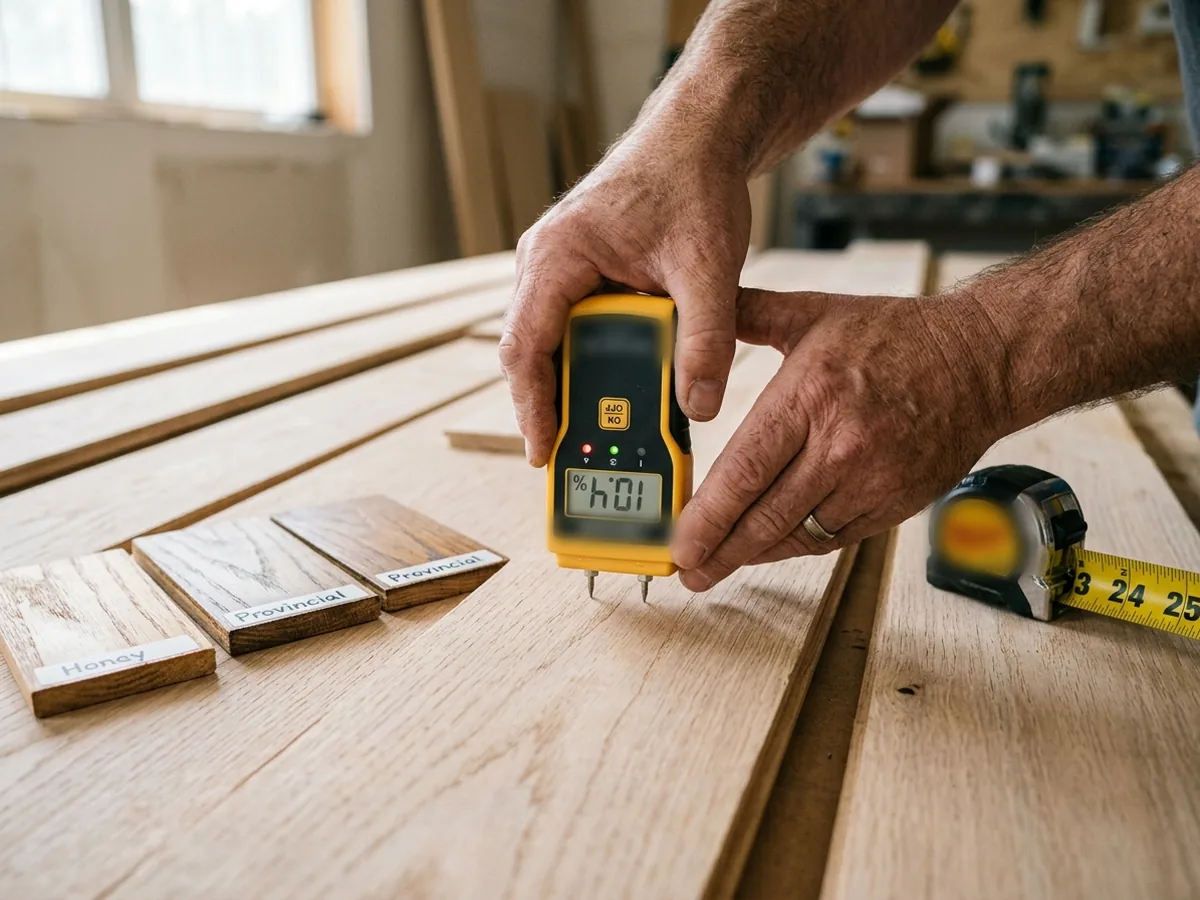
- Ask for moisture readings before any new floor goes down
How Often Should a Gym Floor Be Refinished?
Screen and recoat every year, and sand to bare wood about every eight to twelve years, depending on traffic and how well the yearly coat was kept up. The MFMA ties floor life directly to that maintenance: daily dust mopping, an annual recoat and careful sanding are what get a maple floor past 75 years.
A floor that skips recoats wears through the finish into the wood, and then a full sand is the only fix. A floor that gets sanded too often, or too hard, runs out of wood above the tongue. Ask the contractor to measure how much wear surface is left at a floor plate or door threshold before recommending a sand.
Scheduling Gym Floor Work Around the Year
Summer is the usual window for schools, but the building has to be conditioned. The MFMA recommends 55 to 75°F and relative humidity held within a 15-point range, such as 35 to 50 percent, and warns that buildings closed up with no ventilation over summer breaks are more likely to have floor problems.
Plan the job with the facility manager, not just the athletic department. The HVAC should run during the work and through cure time, finish smells need ventilation, and bleachers and portable baskets have to be moved off the floor. A full sand with new lines takes the room out of use far longer than a recoat, so book it early in the break.
For restaurants, offices, churches and apartment buildings with wood floors that aren't sports floors, see commercial hardwood flooring. Residential maple floors are covered under hardwood floor refinishing, and refinishing prices under hardwood floor refinishing cost. Back to hardwood floors in Ann Arbor.