
Screen and Recoat Jobs, by Floor and Finish
Screen and Recoat over Site-Finished Polyurethane
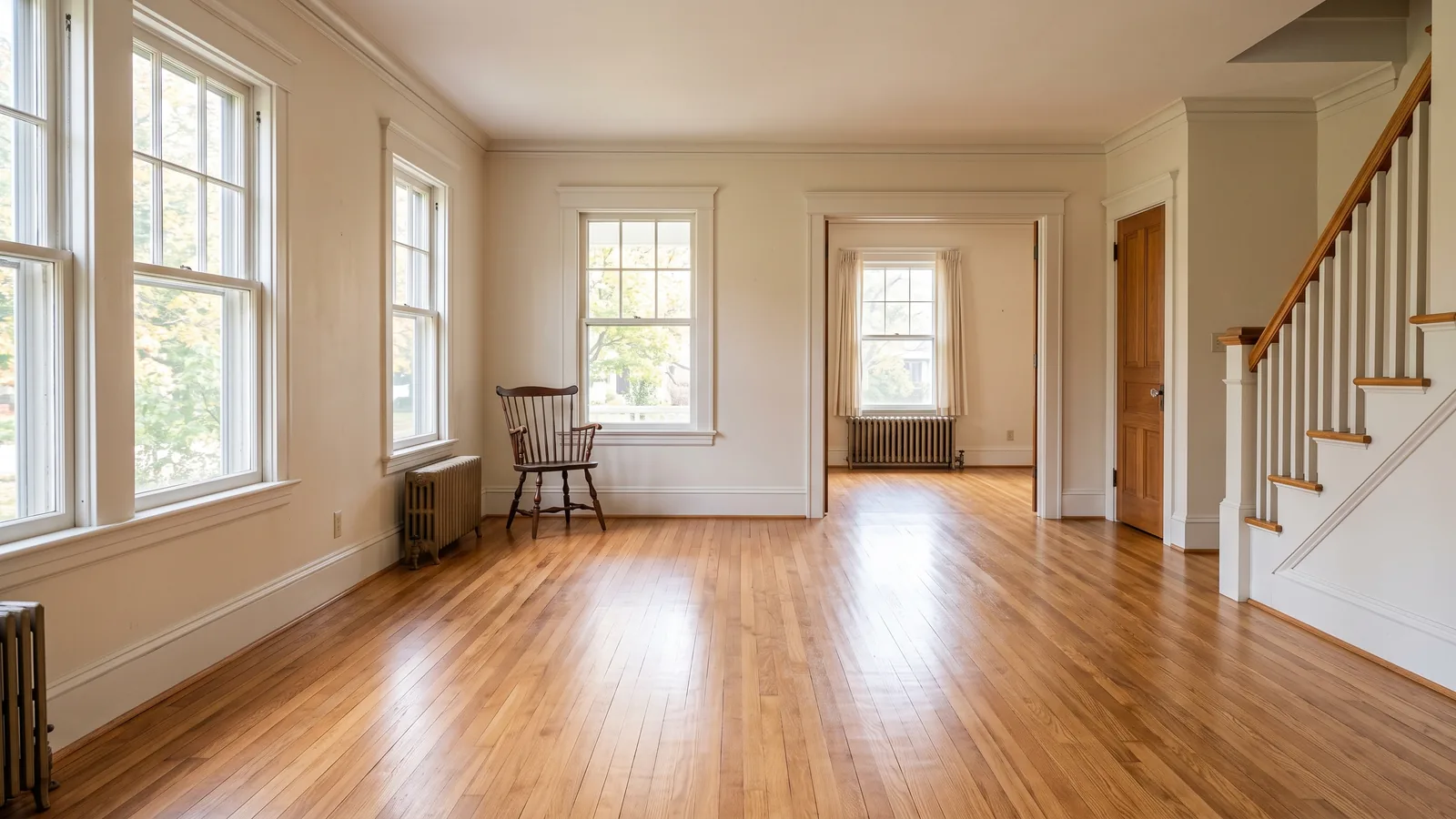
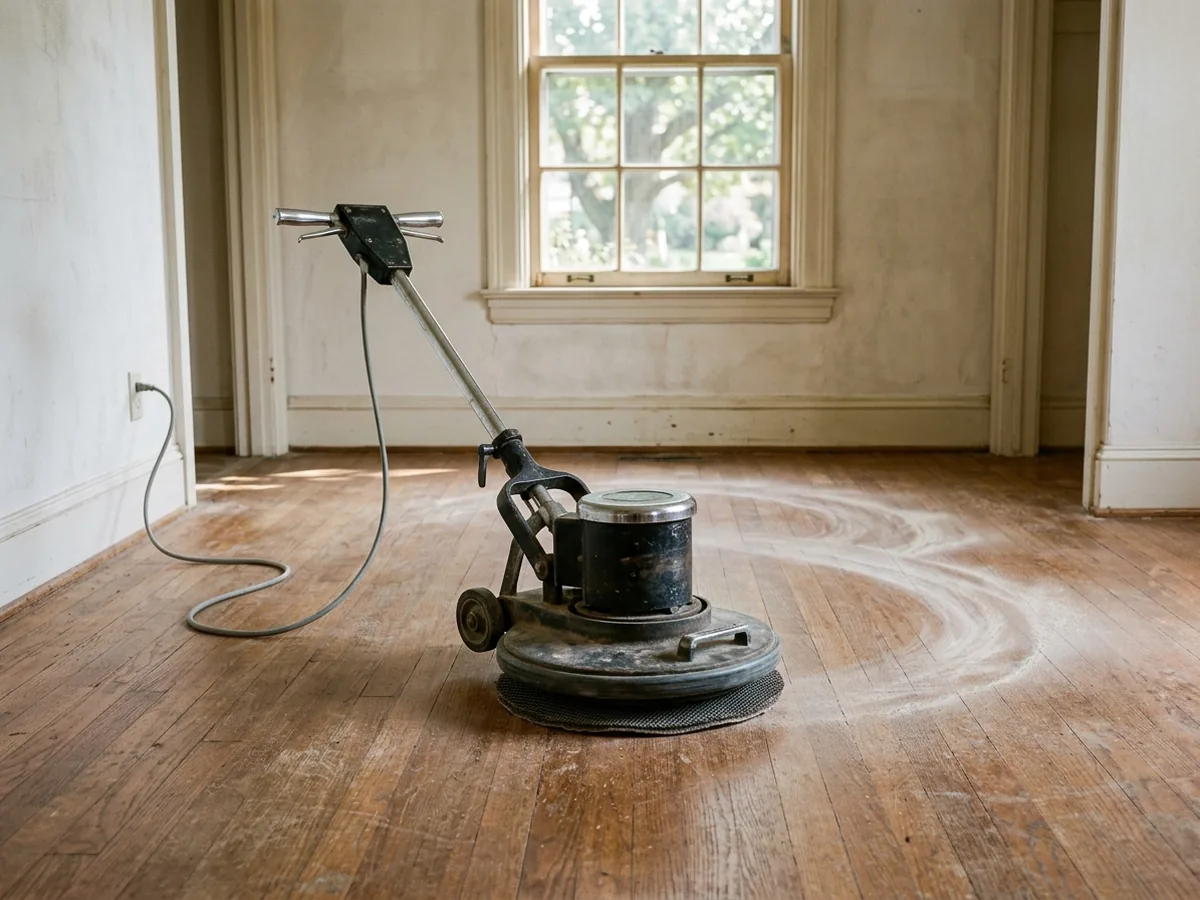
This is the classic job: an oak strip floor sanded and coated in place years ago, now dull in the walkways, with fine scratches that stop at the finish. The floor is vacuumed and cleaned, a buffer runs a fine screen over the whole surface to roughen the old coat so the new one can grip, the dust is tacked off, and one coat goes on.
The test that decides it comes from Wood Floor Business: if the wear is only in the finish, the floor can probably be screened and recoated; once it has worn through to bare wood, it needs a resand. A damp cloth wiped over a worn path shows which you have. If the spot looks fine while it's wet, the finish is just scratched. Gray, dry-looking wood that stays gray means the coat is gone. The same source says a floor "can be recoated an unlimited number of times", since each recoat removes only a skin of finish and no wood.
The new coat has to bond, and that's where recoats fail. Finish makers say it plainly: the Bona Traffic HD data sheet says to be sure the floor "is free from wax, polish, and oily residues" before recoating. Urethane laid over paste wax peels. The JLC article on recoating says the same about acrylic "refreshers" and polishes from the hardware store, which act as bond-breakers. A good finisher will ask what you've cleaned the floor with, and will test for acrylic polish and oil soap residue before quoting. If the floor was waxed, a recoat is off the table; how to tell wax from shellac or varnish is covered under hardwood floor restoration.
Recoating Prefinished Factory Finishes
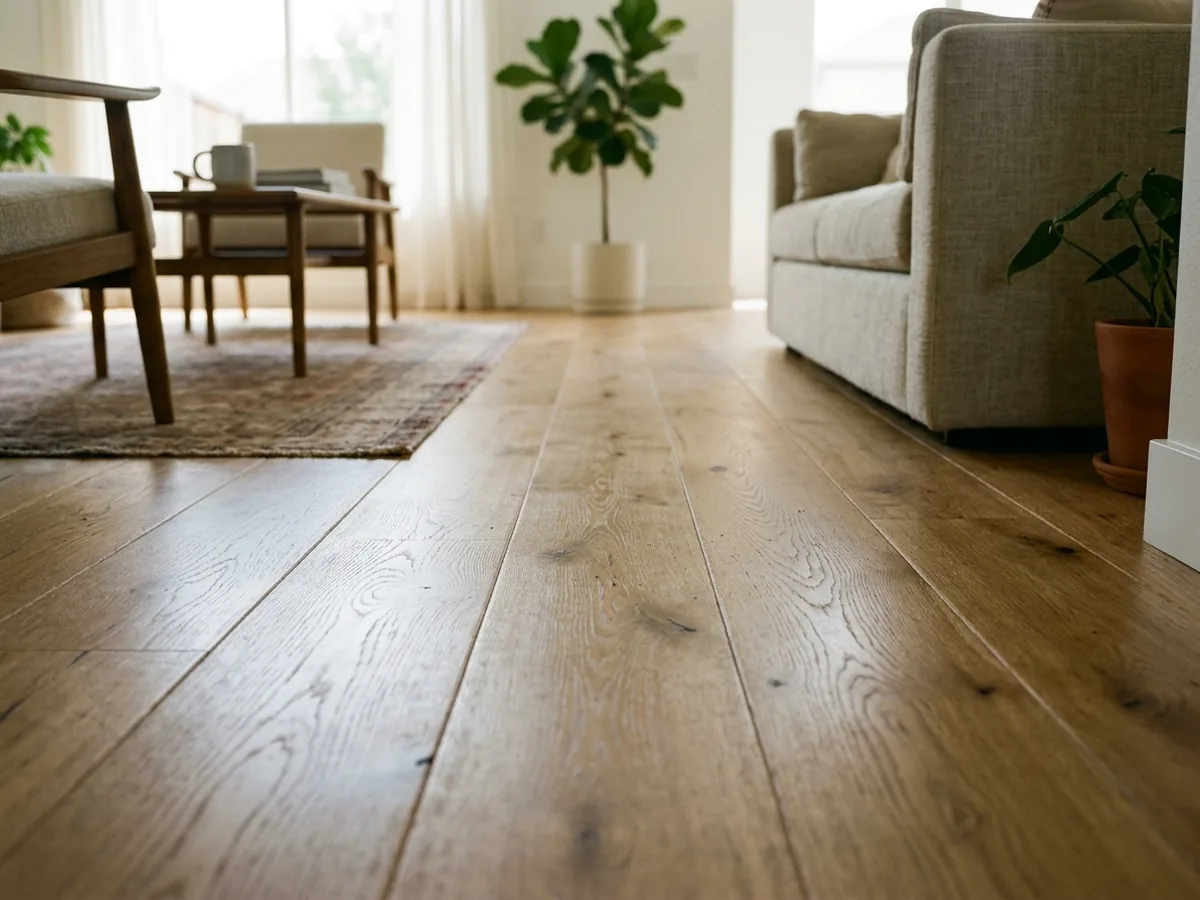
Prefinished floors arrive with the finish already cured on at the factory, and many of those coatings carry aluminum oxide or ceramic particles for scratch resistance. That hardness works against a recoat. Wood Floor Business says these factory finishes present "a host of challenges" when it's time to recoat them.
Two more details matter on prefinished planks. The small bevels between boards collect dirt and old cleaner, and a buffer can't reach into them, so they need hand cleaning. If you still have the flooring's brand name, ask the finisher to read the maker's care instructions first, and to do a test patch in a closet: coat a small area, let it cure, then try to scratch or tape-peel it. A patch that fails costs an afternoon. A failed whole-floor recoat costs a full sand.
Chemical-Abrade (No-Sand) Recoats
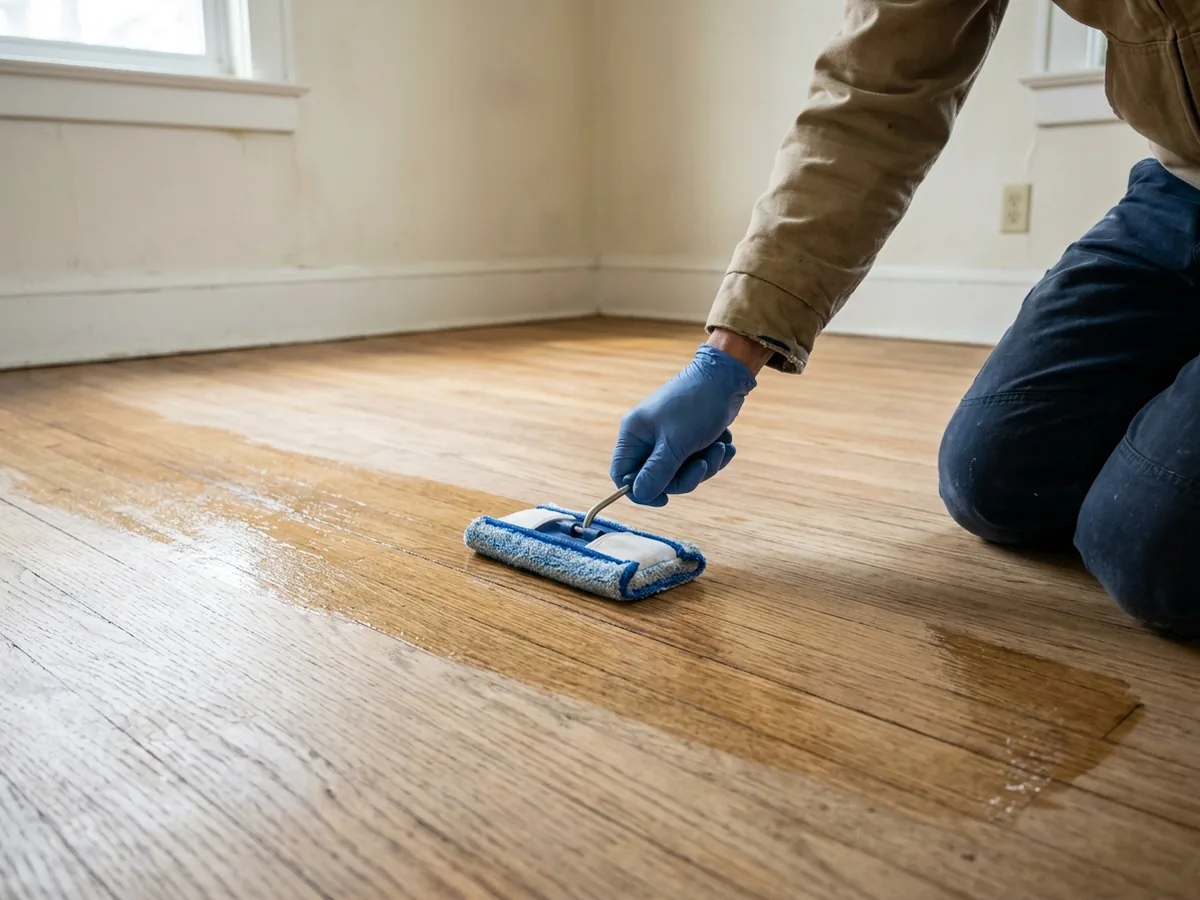
A chemical-abrade recoat replaces the abrasive screen with a liquid. The finisher cleans the floor, applies a bonding agent that prepares the old finish so the new coat can grip, lets it dry, and then rolls on the topcoat. The JLC article names Basic Coatings TyKote and Bona's Prep as examples, and says the agent usually needs a couple of hours to dry before the finish goes on.
The JLC author reaches for the bonding agent mainly when a floor isn't flat. A buffer pad rides over low spots and misses them, and an unscuffed low spot is where a recoat can peel later. On flat floors he scuffs with a synthetic maroon pad, which avoids the fine, hairlike screen marks that can show through a fresh coat. This method also makes very little dust, since nothing is sanded. HomeGuide lists this "sandless" refinishing as its own price line; the numbers are on the refinishing cost page.
A no-sand recoat still needs a clean, wax-free floor. The chemistry changes how the old coat is scuffed, and the wax rule above applies the same way.
Recoat Schedules for Rentals and Busy Households
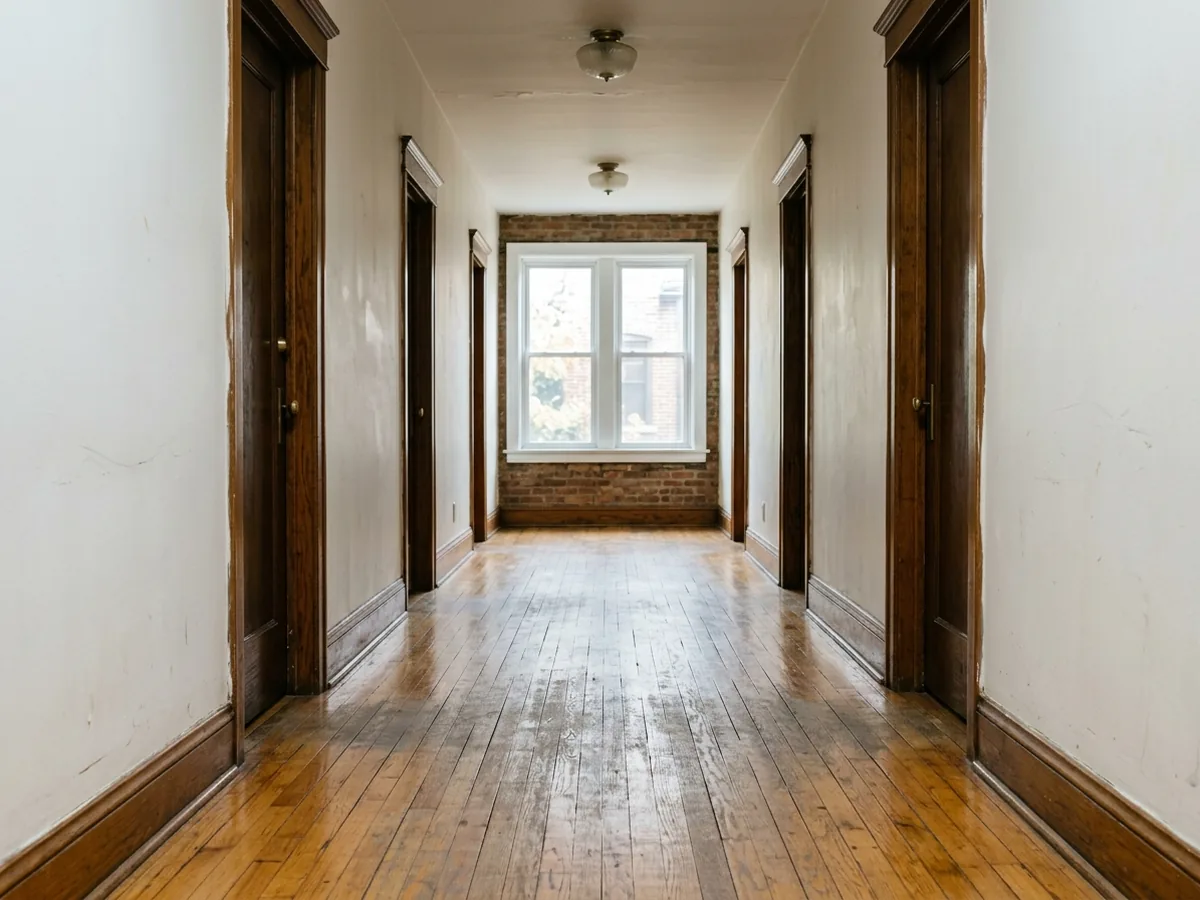
The NWFA recommends a fresh coat of finish from a professional every 3 to 5 years, with the schedule depending on how hard the floor is used. A house with two dogs and kids coming in from the yard sits at the short end of that range.
For Ann Arbor landlords, the lease calendar sets the date. A recoat between tenants keeps the finish from wearing through in hallways and kitchens, which is what eventually forces a full sand. Our view: walk the units each spring with a damp cloth and recoat any floor where the traffic paths look dull but the wood isn't exposed yet. Apartment buildings and other larger properties are covered on commercial hardwood flooring.
Between coats, the cleaning closet matters. Oil soaps, acrylic shine products and wax-based polishes can all block the next coat, so clean with whatever the finish maker approves.
Why Ann Arbor homeowners call Ann Arbor Wood Flooring
- Free estimate, and you can ask for it in writing, species and finish named
- One independent local floor contractor gets your request, not a call list
- No fee to homeowners for the referral
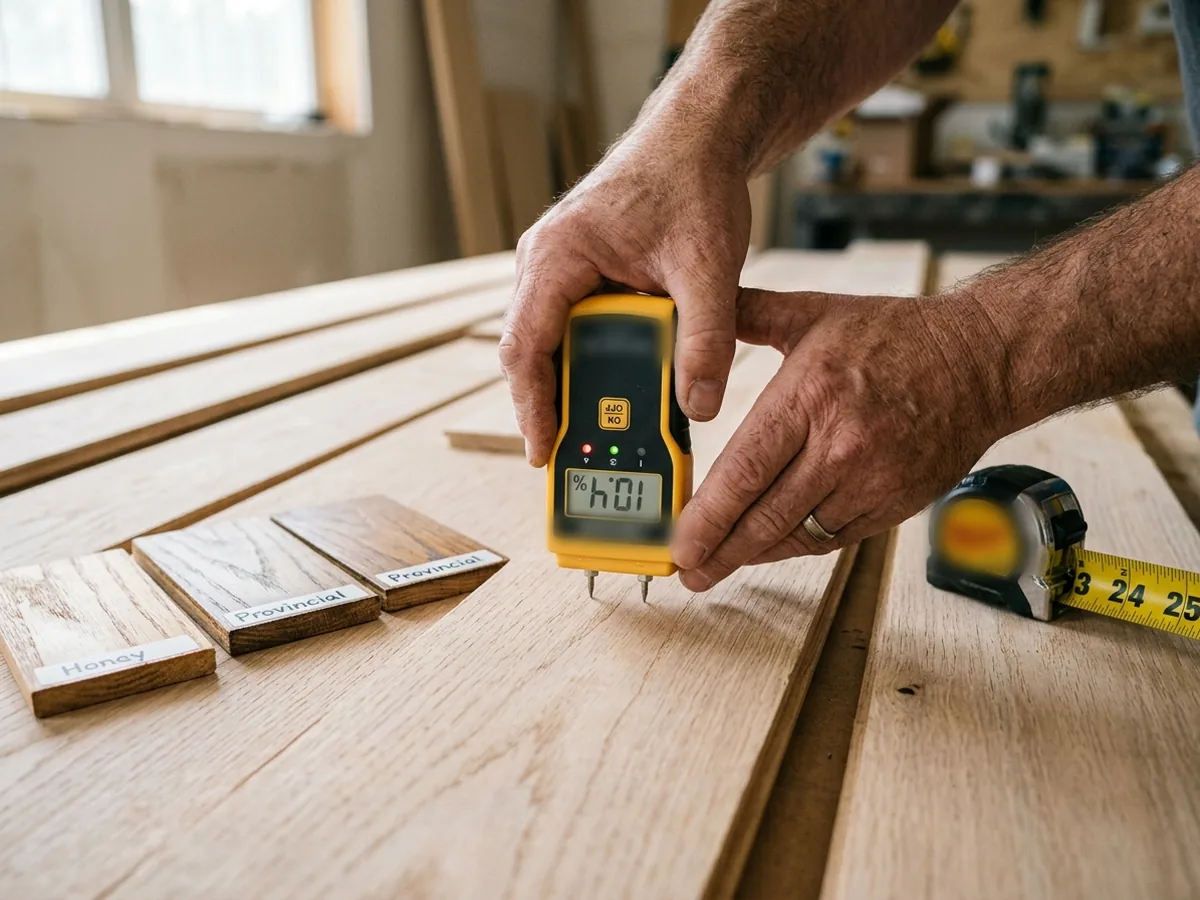
- Ask for moisture readings before any new floor goes down
How Long Before You Can Use the Floor After a Recoat?
Plan on a day off the floor after the coat goes on, and longer before rugs and heavy furniture return. The exact wait depends on the finish: a two-part waterborne coat cures much faster than an oil-modified one, and cold, damp weather slows both. The finish maker's data sheet gives the numbers, and the hardwood floor refinishing page compares them.
The day itself is short. Clean, scuff, tack and coat a few rooms, and the finisher is often gone by afternoon. What takes time is what comes after: keep pets and furniture off until the finisher says the coat is hard, put felt pads under chair legs, and leave rugs off until the cure time the finish maker gives.
Screen and Recoat or Full Refinish?
Recoat when the wear stops at the finish, and refinish when it reaches the wood. A recoat can't change color, remove gray traffic paths, deep scratches or black pet stains, and it can't go over wax. Anything the damp-cloth test shows as bare, gray wood needs sanding.
If only one room has worn through, a finisher may sand that room and recoat the rest. The new and old finish can differ slightly in sheen, so ask to see it before committing. For whole-floor color changes, see hardwood floor staining. For questions about the wood itself, start with hardwood floors in Ann Arbor.