
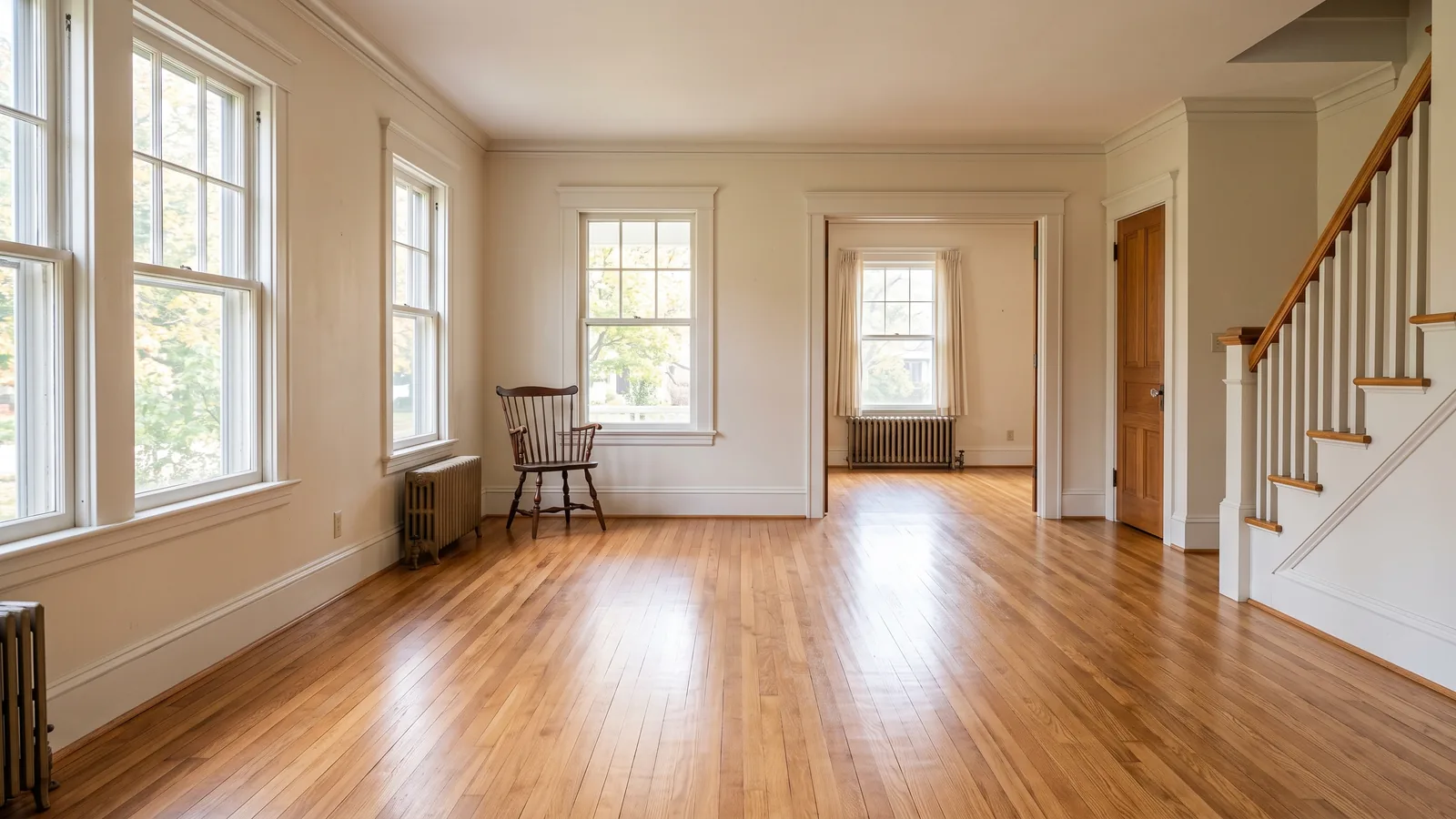
Commercial Hardwood Flooring by Type of Business
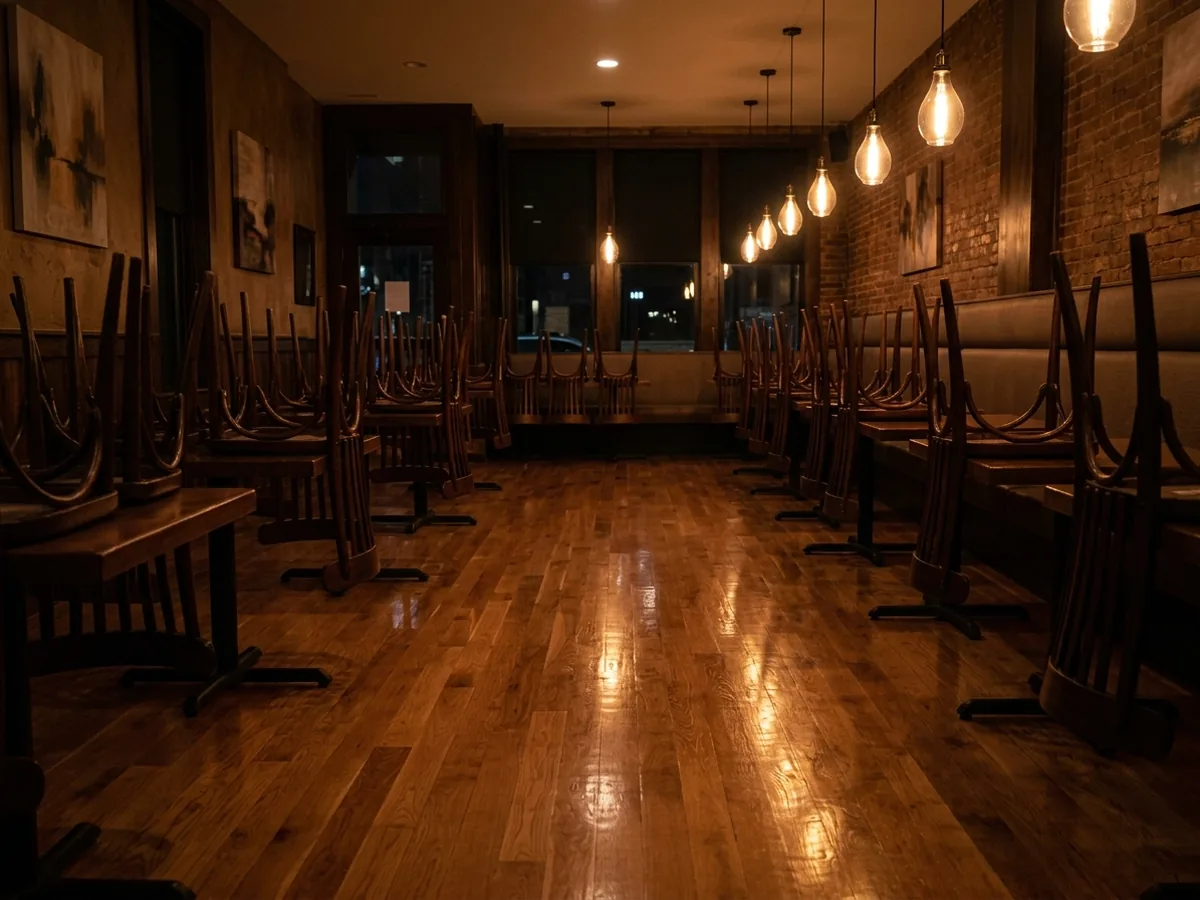
Restaurants and Cafes
A restaurant floor fights water, grease and chair legs all day. The wet zones (the bar, the server station, the path from the dish pit) wear and stain first, and they're also where people slip. OSHA requires employers to keep walking surfaces free of hazards such as leaks, spills and loose boards, so a gapped or cupped board near the bar is a safety item as well as a cosmetic one.
Finish choice matters most here. Bona Traffic HD, a two-part waterborne finish, lists restaurants among its recommended uses, recommends a third coat in heavy-traffic commercial areas, and gives a coefficient of friction of 0.5 or higher on its data sheet. Ask the contractor which finish they propose, how many coats, and to show you its data sheet. Our view: glides on every chair leg do more for a dining room floor than any upgrade in finish.
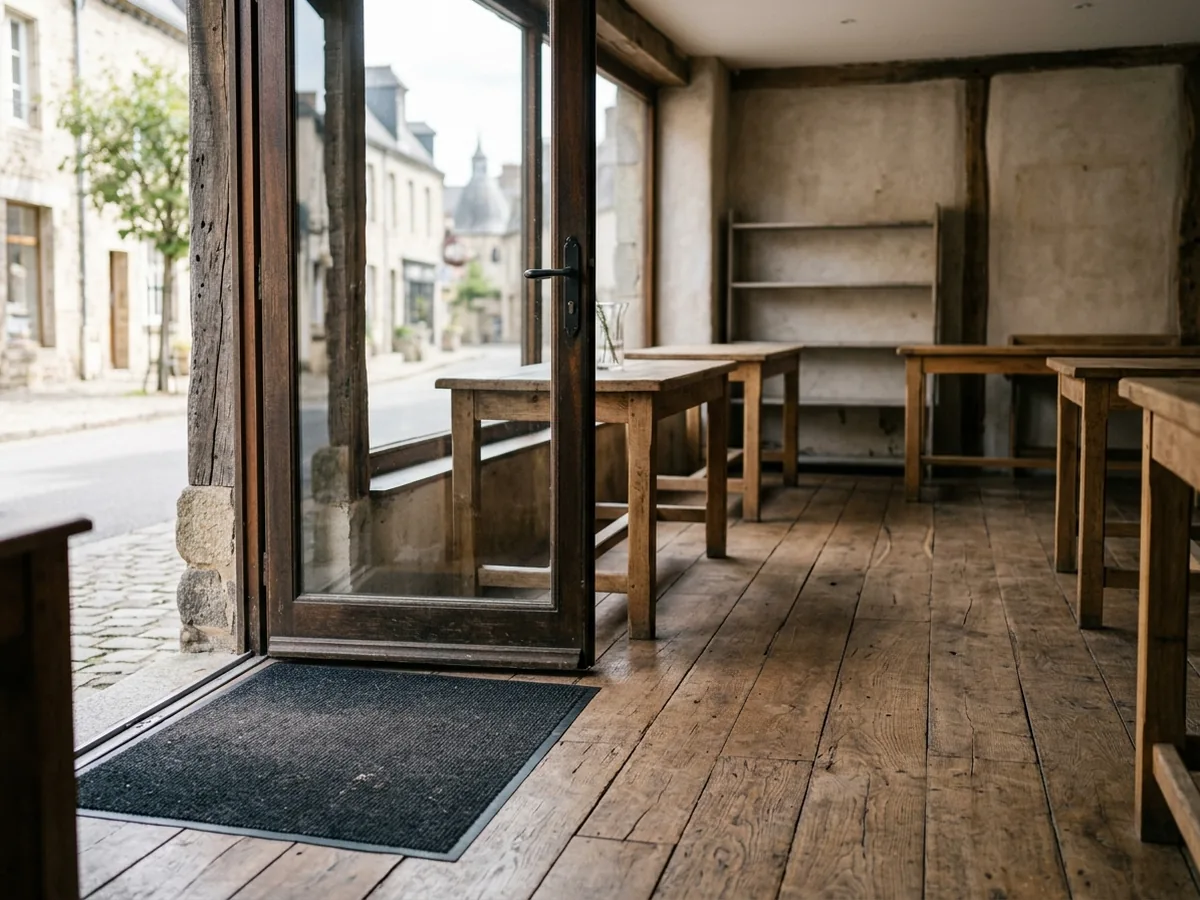
Retail Storefronts
Shops wear from the door inward. Grit tracked in from the sidewalk acts like sandpaper on the floor nearest the door, and in a Michigan winter that grit comes with road salt. Bona's data sheet puts walk-off mats at all entrance doorways as part of basic maintenance, and that's the cheapest finish protection there is.
Sheen is a practical choice in a store. A matte or satin finish hides scuffs and traffic patterns better than gloss, and commercial finishes come in sheens from extra matte to gloss. Older storefront buildings sometimes have original wood under vinyl or carpet; before planning a new floor, it's worth having the contractor lift a corner and look. If there's old tile or black adhesive under the covering, that's a reason to test before sanding (see parquet flooring for why).
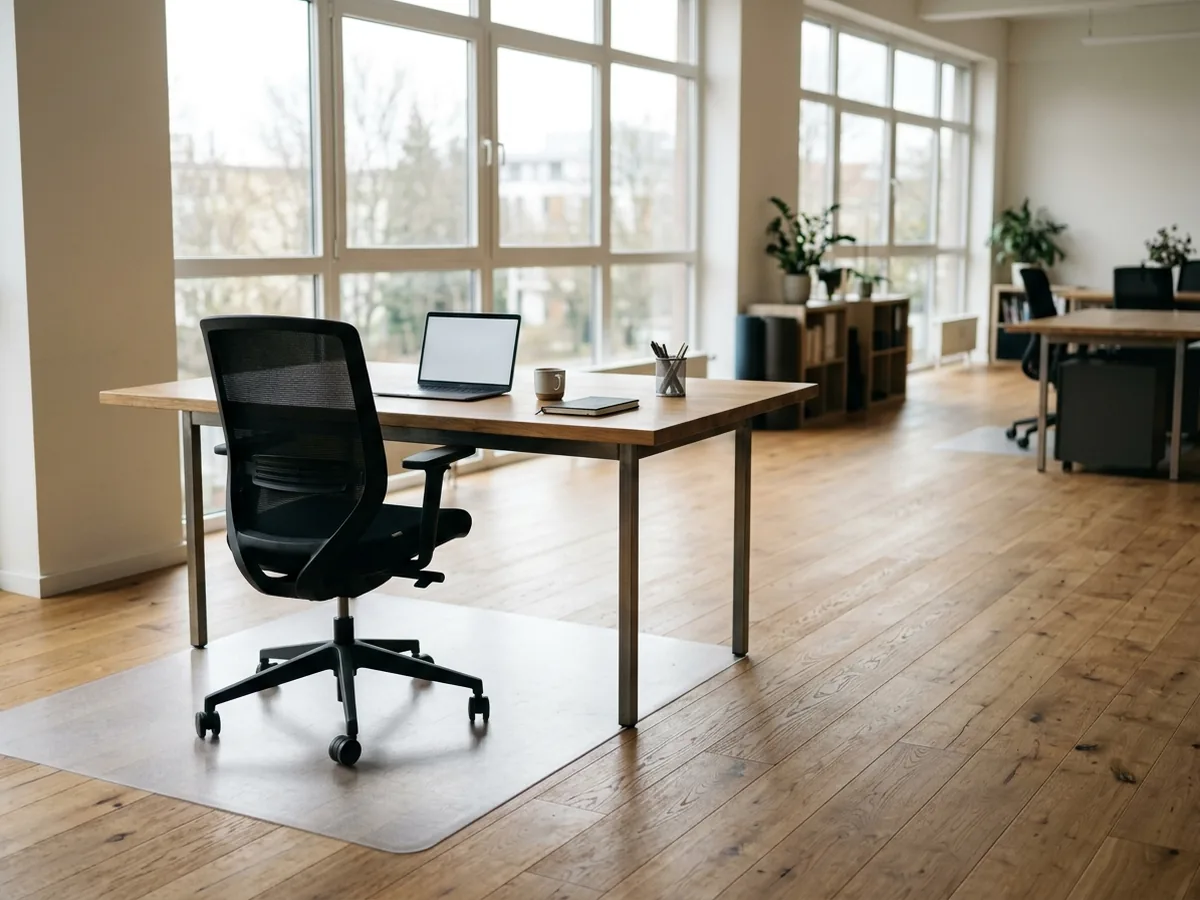
Offices
Office floors take rolling chairs, carts and furniture moves rather than spills. Hard chair casters grind the finish in a circle under every desk, so chair mats or soft floor casters are standard advice. Office suites over a concrete slab can take engineered flooring, glued or floated (methods on engineered hardwood installation).
The bigger issue for an office is downtime. A screen and recoat can be done over a weekend in sections. A full sand on a large open plan needs either a long weekend with furniture out or a phased plan, room by room. Ask the contractor for a written schedule that shows which areas are closed on which days.
Churches, Halls and Apartment Buildings
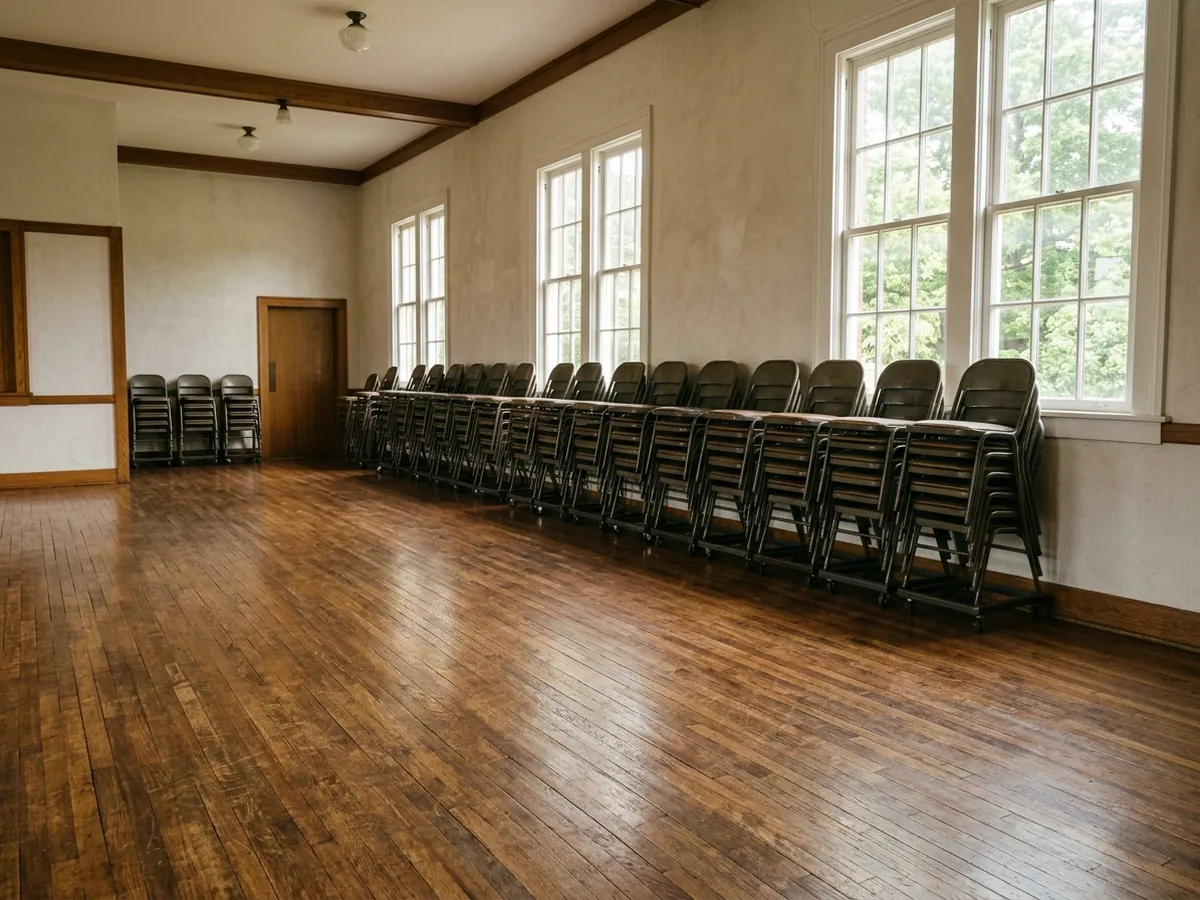
Church sanctuaries, fellowship halls and community rooms often have large original oak or maple floors that have been refinished many times. They see bursts of heavy use (folding tables, events, kitchens next door) between quiet weeks, which makes them good candidates for scheduled recoats instead of waiting for a full sand. Hall floors used for sports or dance are maple sports floors; those are on gym floor refinishing.
Apartment buildings add a code question when carpet is replaced with wood. The 2021 International Building Code (Section 1206.3) requires floor-ceiling assemblies between dwelling units to have an impact insulation class of at least 50 in lab testing, or 45 if field tested. Ann Arbor began enforcing the 2021 Michigan Building Code, which is based on the IBC, on May 1, 2025. Ask the contractor and the building's management whether an acoustic underlayment is needed under new wood on upper floors, and get the answer in writing before the flooring is ordered.
Rental units turn over on a tight clock. In our view, a screen and recoat in the days between leases is the cheapest way to keep wood floors in a rental building from needing a full sand every few tenants.
Why Ann Arbor homeowners call Ann Arbor Wood Flooring
- Free estimate, and you can ask for it in writing, species and finish named
- One independent local floor contractor gets your request, not a call list
- No fee to homeowners for the referral
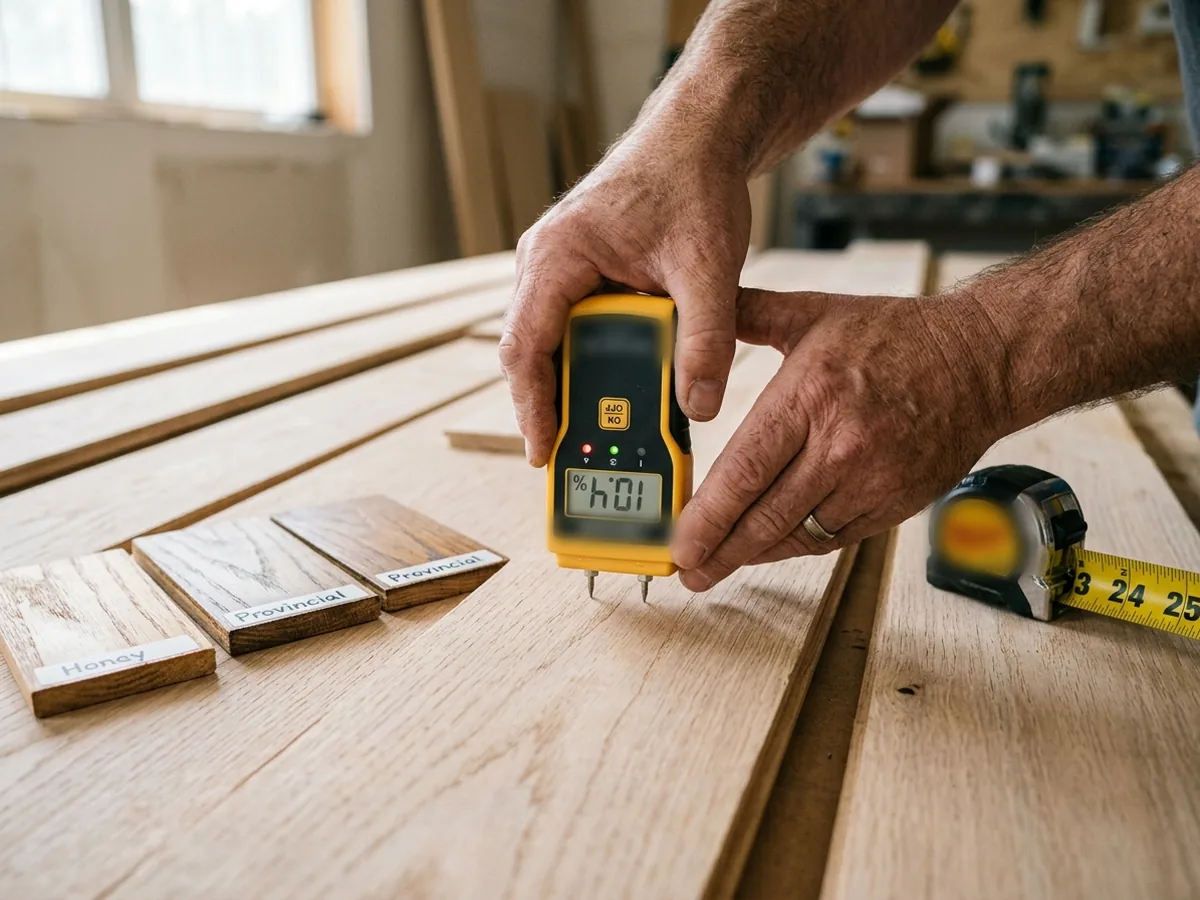
- Ask for moisture readings before any new floor goes down
How Do You Keep a Business Open During Floor Work?
Work after hours, in sections, with a finish that dries fast and smells little. A two-part waterborne finish such as Bona Traffic HD dries in 2 to 3 hours, takes foot traffic after 24 hours and is fully cured in 3 days. That makes overnight recoats possible, with the space reopened the next day for light walking.
Ask for the schedule in the estimate: which nights or days each area is closed, when foot traffic can return, and when furniture, rugs and heavy carts can go back. Rugs wait for full cure. For a full sand, plan around dust as well: ask about dust containment on dustless hardwood floor refinishing, and for finish chemistry and cure times in general, see hardwood floor refinishing.
Is a Finished Wood Floor Slip Resistant Enough for a Business?
A well-maintained finish usually is, when it's dry and clean. Check the friction figure on the finish's data sheet and the test behind it. ASTM D2047 treats a static coefficient of friction of 0.5 or more as nonhazardous for polish-coated floors, but says that criterion only applies to its own machine and method.
So a 0.5 rating is a useful comparison between finishes, not a promise about a wet floor. What keeps people upright in practice is the maintenance: mats at the doors, spills cleaned up quickly, and no wax or polish on top of the finish. Bona's data sheet also warns that wax, polish and oily residues have to be removed before a recoat will bond.
Recoat timing is the other half. Our view: in a busy commercial space, schedule recoats by how the traffic lanes look rather than by the calendar, and do them while wear is still in the finish. The test for that and its limits are on screen and recoat; prices are on hardwood floor refinishing cost. For homes, start at hardwood floors in Ann Arbor.